The wet El Nino has brought mixed conditions across the wetlands in recent weeks. The duck, swan, stilt and heron numbers are down and the Salvinia weed continues to dominate the large ponds. But efforts to open up some of the smaller ponds are working. The most recent highlight was the sightings of three species of crake at the north end of D Cell: an Australian Spotted Crake, a Spotless Crake and a Baillon’s Crake all feeding in the same small patch.
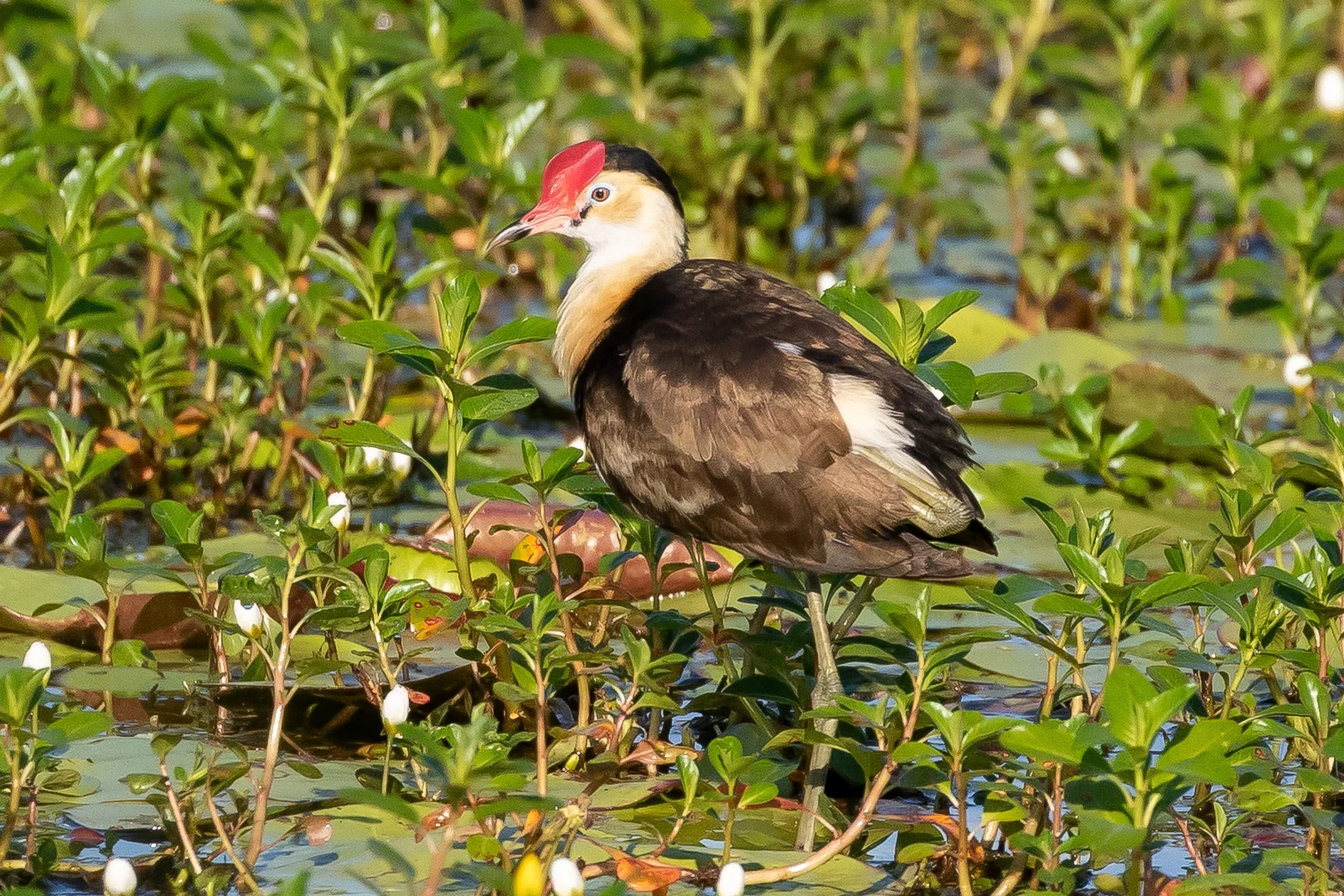
The Comb-crested Jacanas are out and about on the smaller ponds of the wetlands.
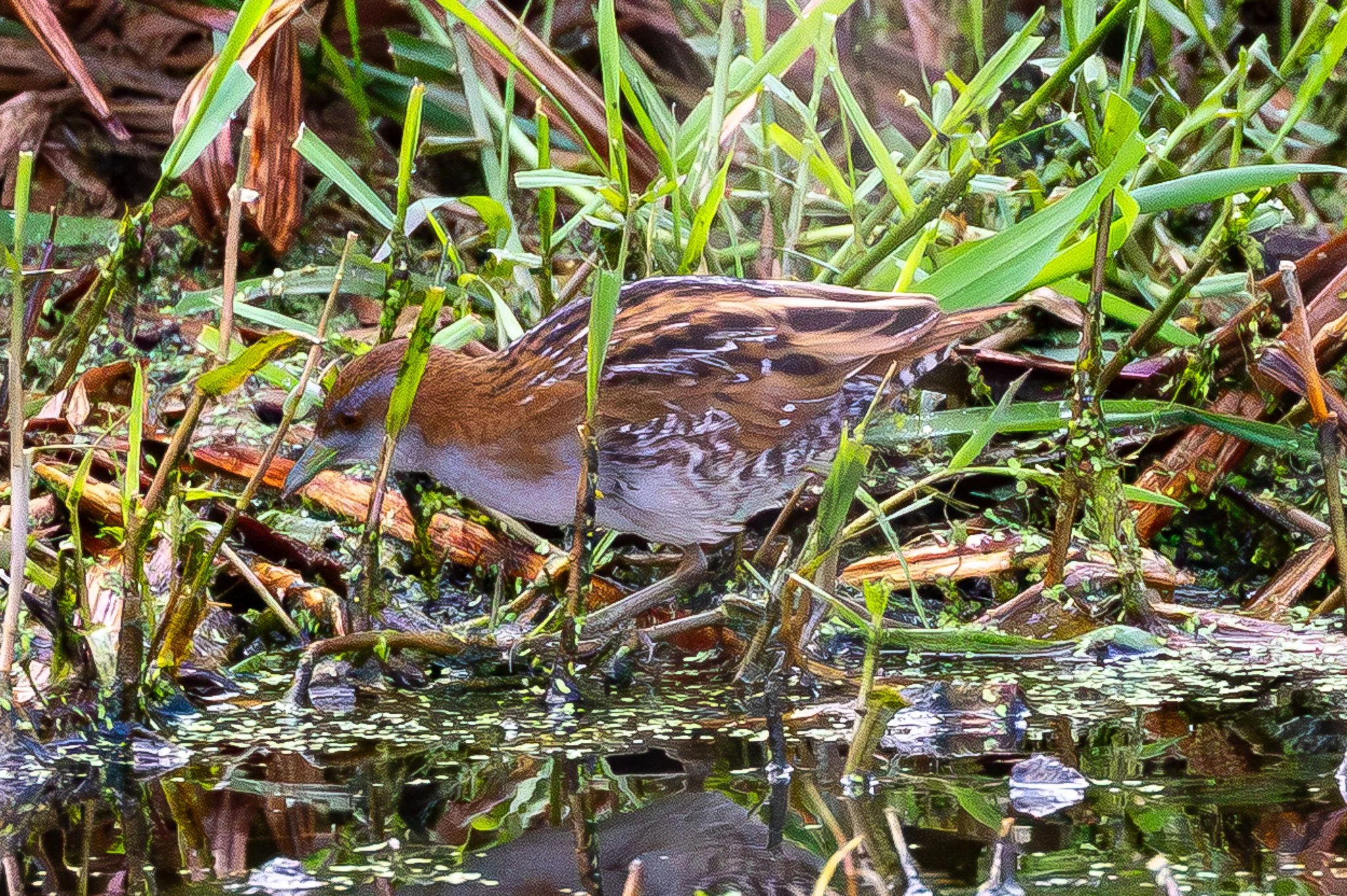
This Baillon’s Crake was feeding in the same area as the Spotted and Spotless Crakes seen here last week.
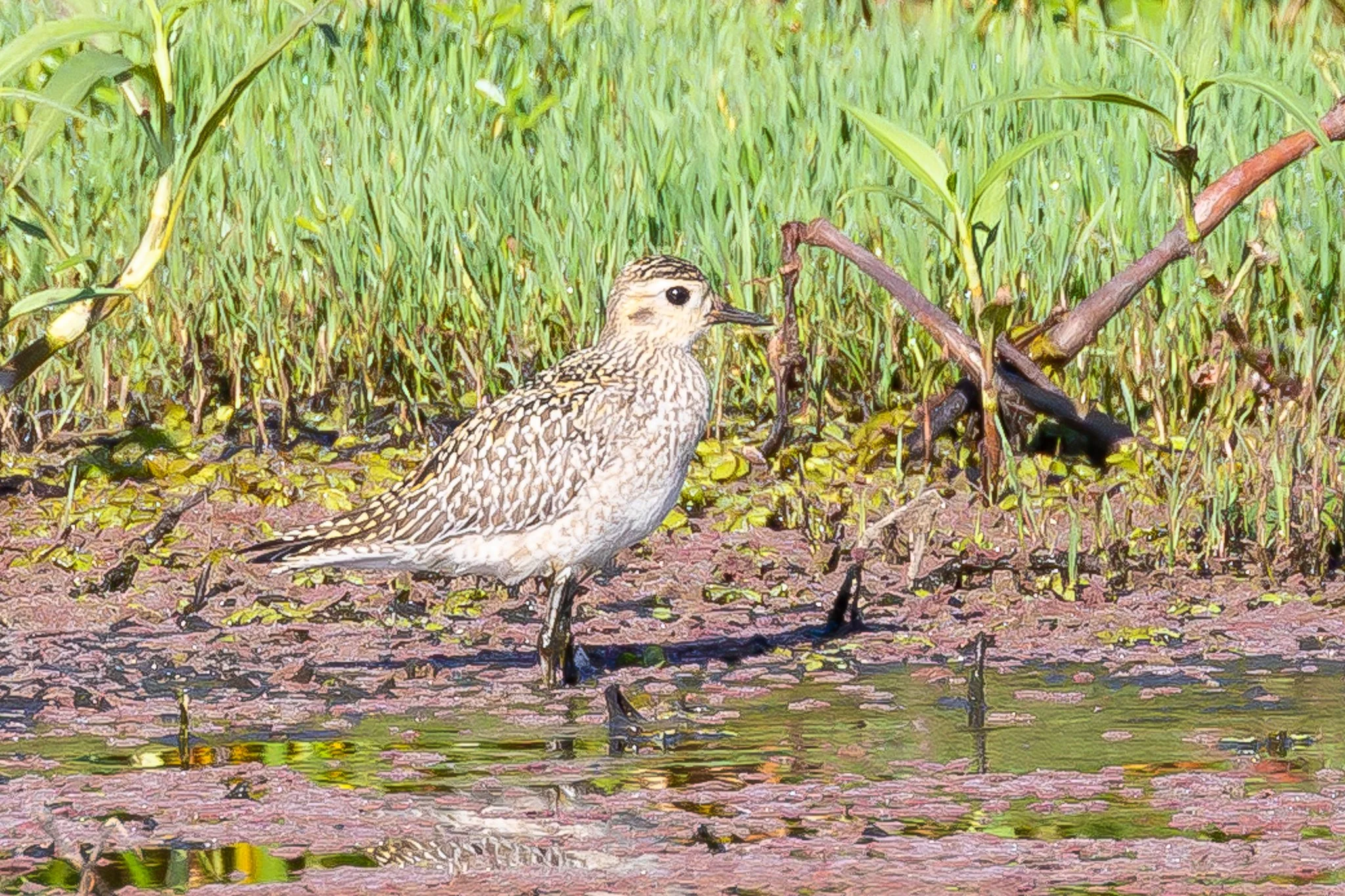
Another welcome guest, the Pacific Golden Plover. Although it only stayed for a couple of days. Visits by migratory shore birds are rare now as the wetland’s mud flats are covered by dense reed beds and much of the water is covered by weeds. When the wetland was created it had large areas of mud flat and was visited by a wide range of shore birds.
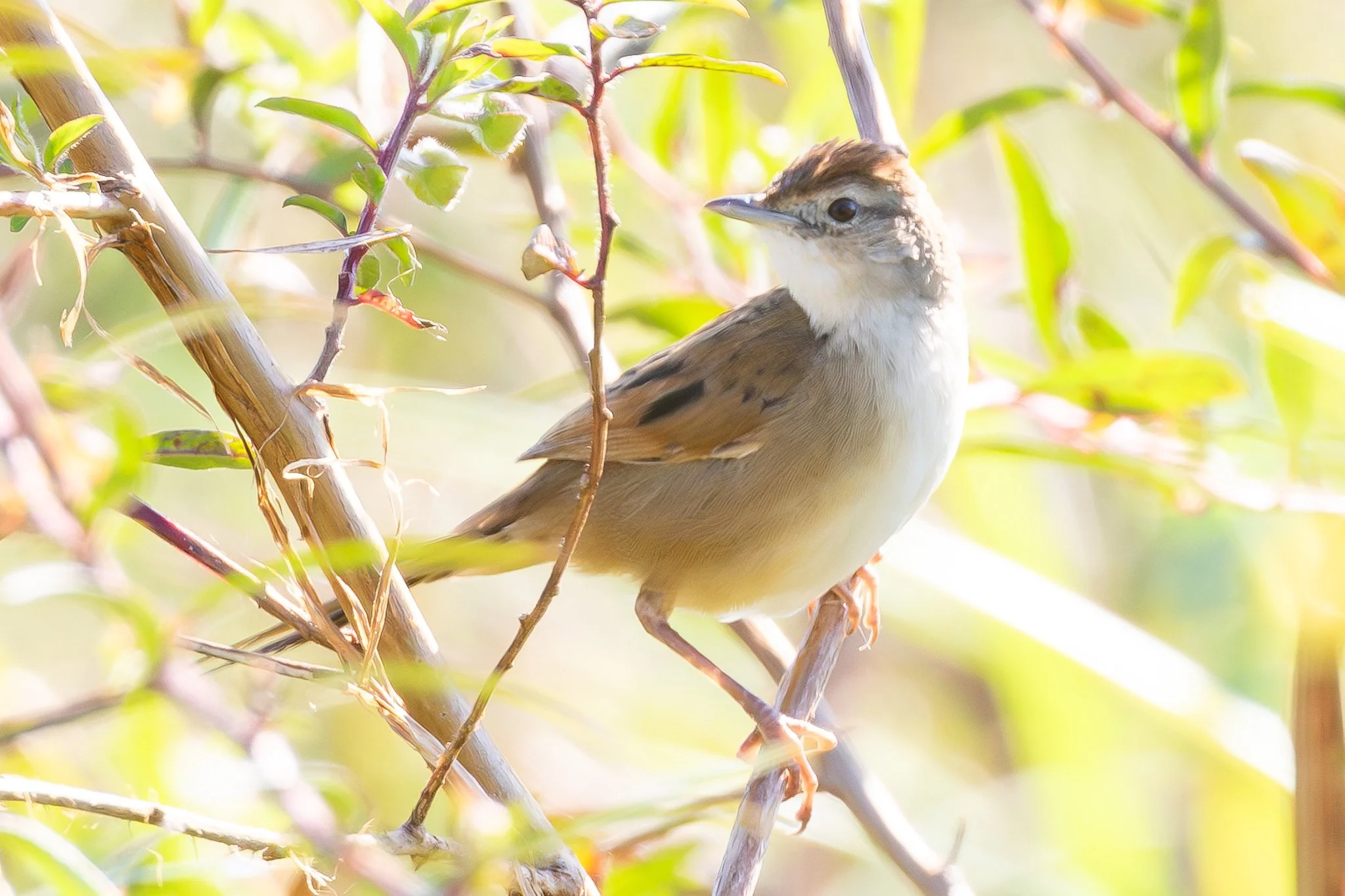
The conditions do suit the reed loving birds including this Tawny Grassbird and the Golden-headed Cisticola below. At Tuesday's survey a number of Little Grassbirds were calling but as is often the case, none were sighted.
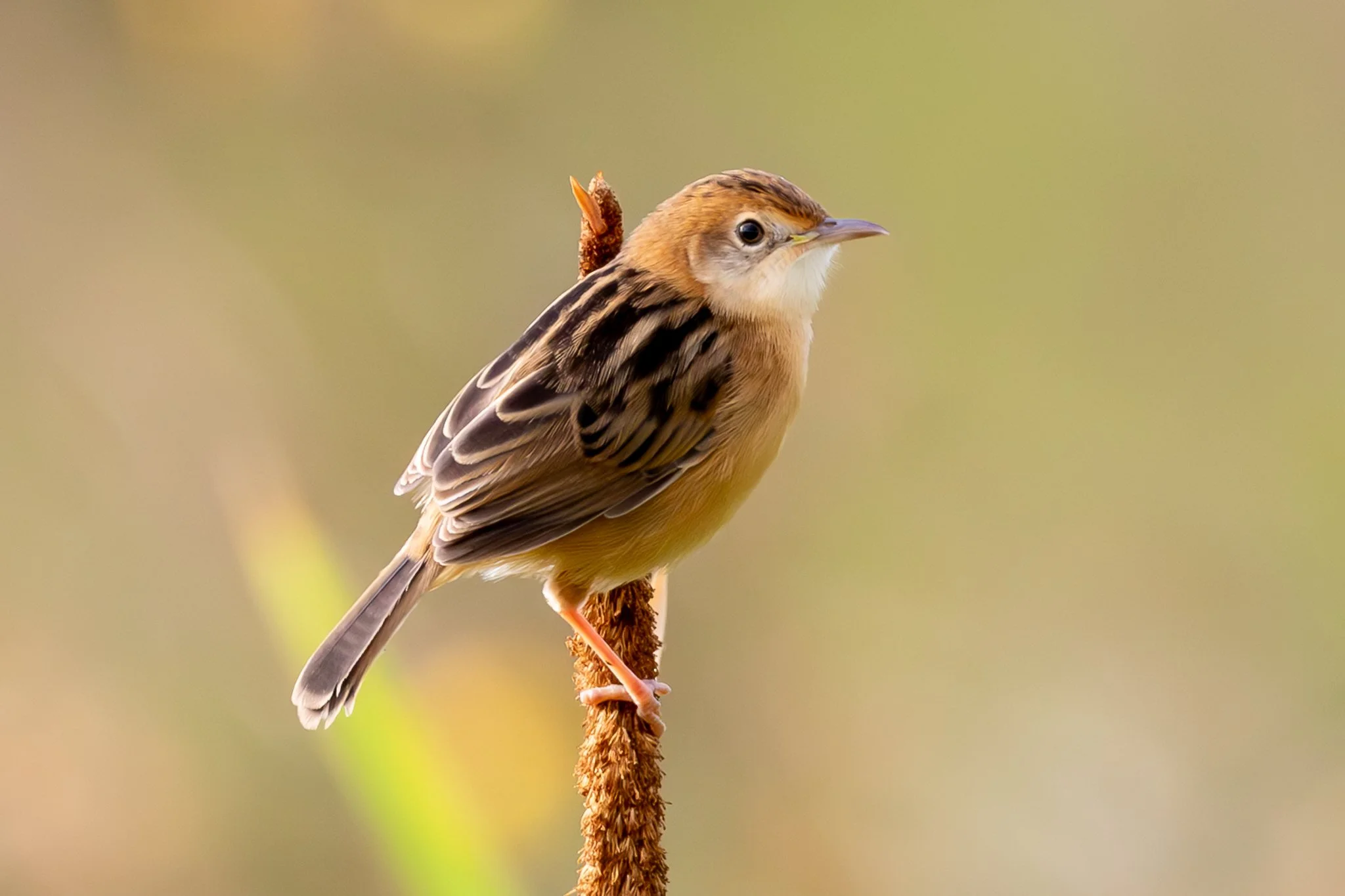
Golden-headed Cisticola in E Cell.
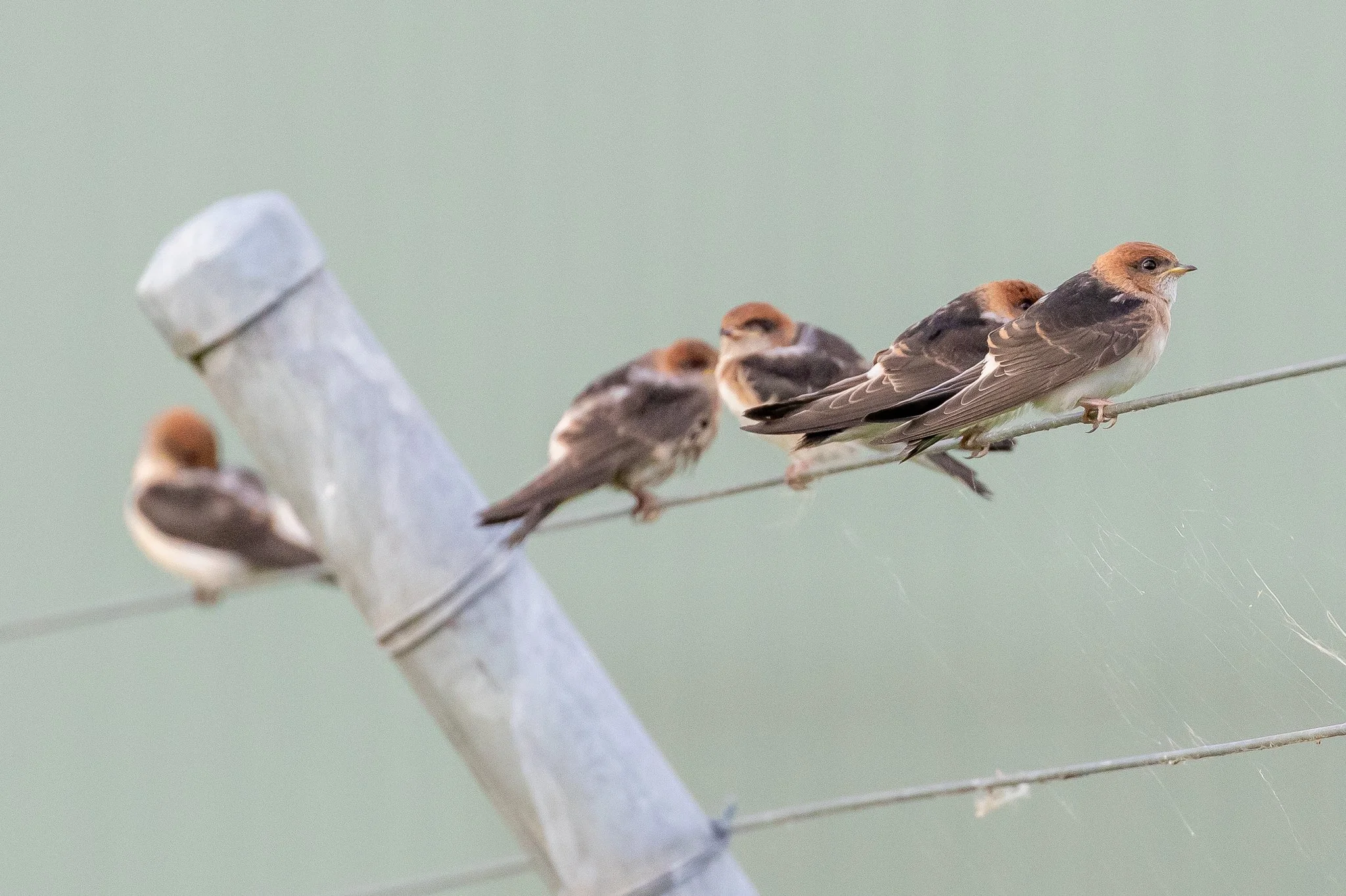
Fairy Martins (above) and Welcome Swallows are regulars over both the ponds and adjoining grasslands.
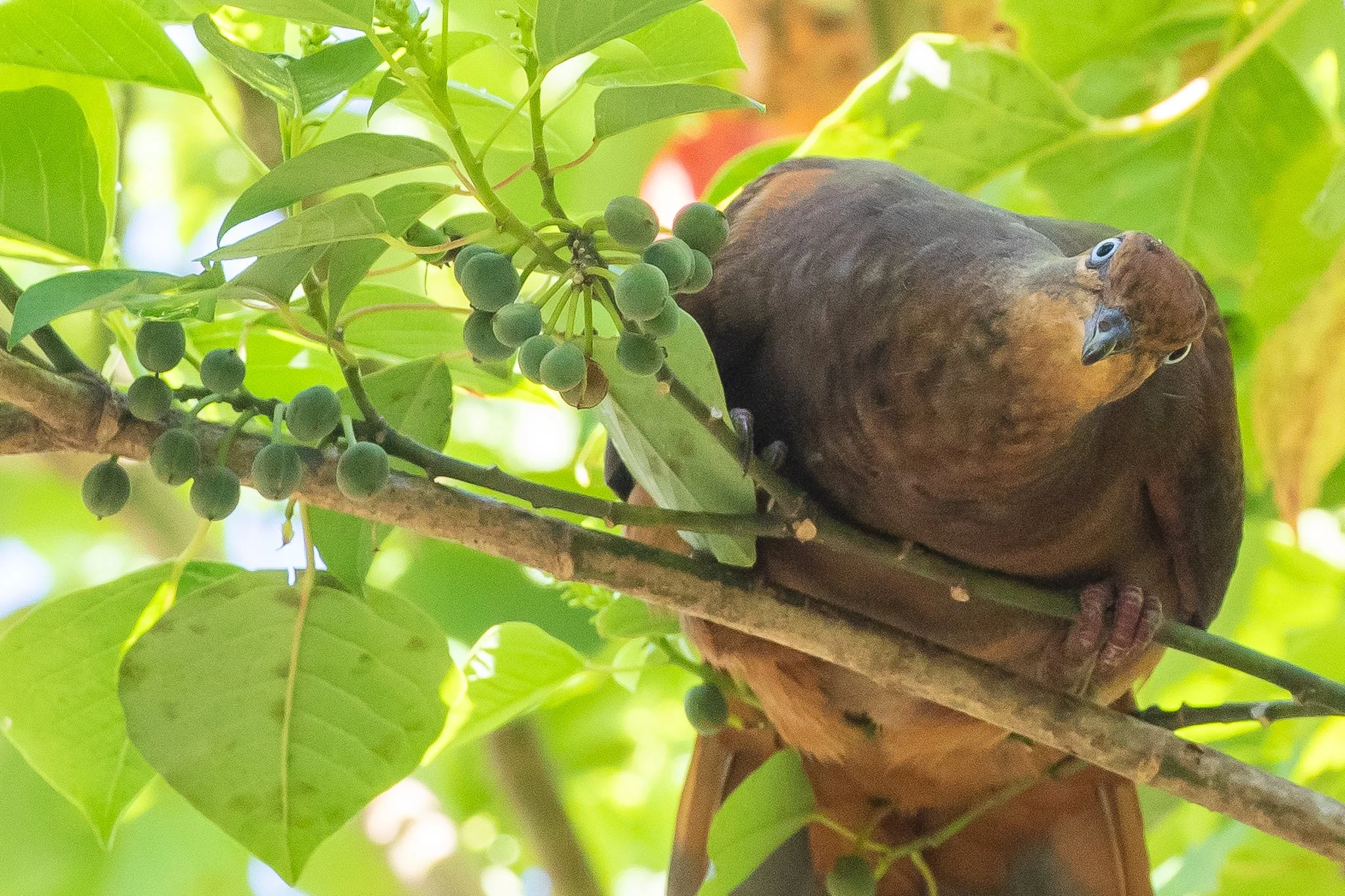
A rarer sight, the Brown Cuckoo-Dove, is one of the occasional rainforest doves that visits when fruit and berries are available.
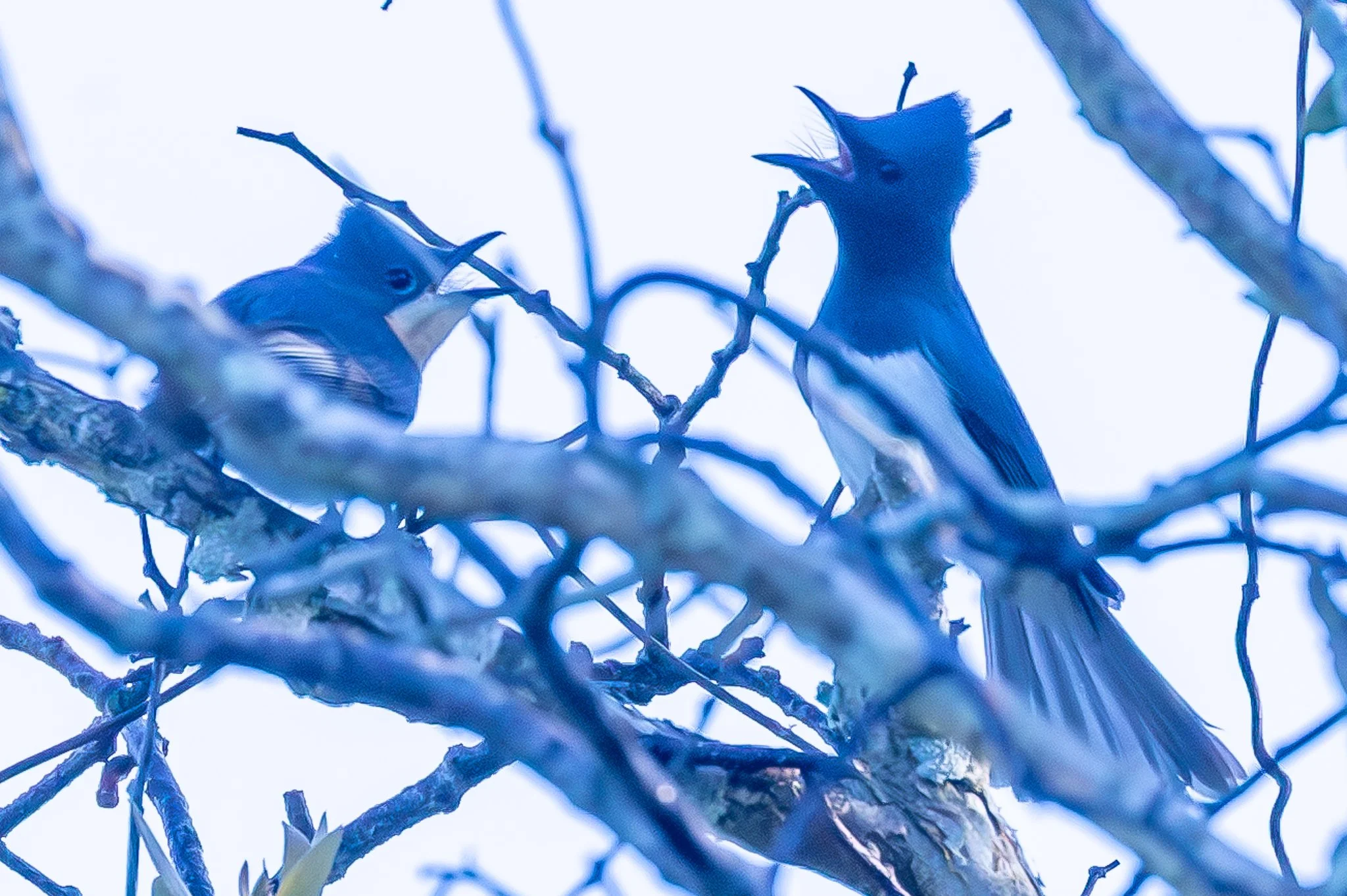
No doubt it is spring as these Leaden Flycatchers get in the mood for nest making.
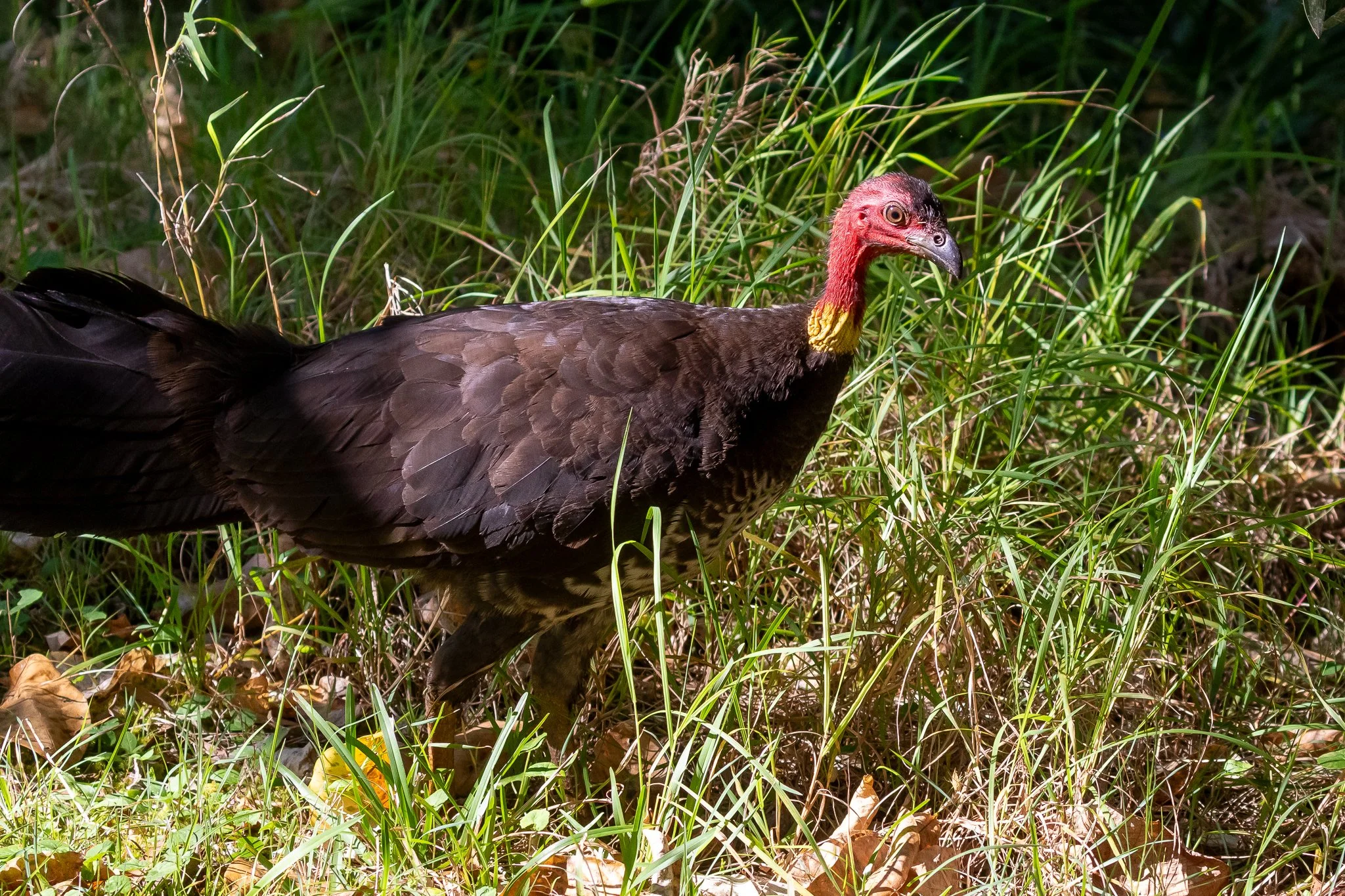
It is not really brush turkey territory but this Australian Brush Turkey doesn’t care.
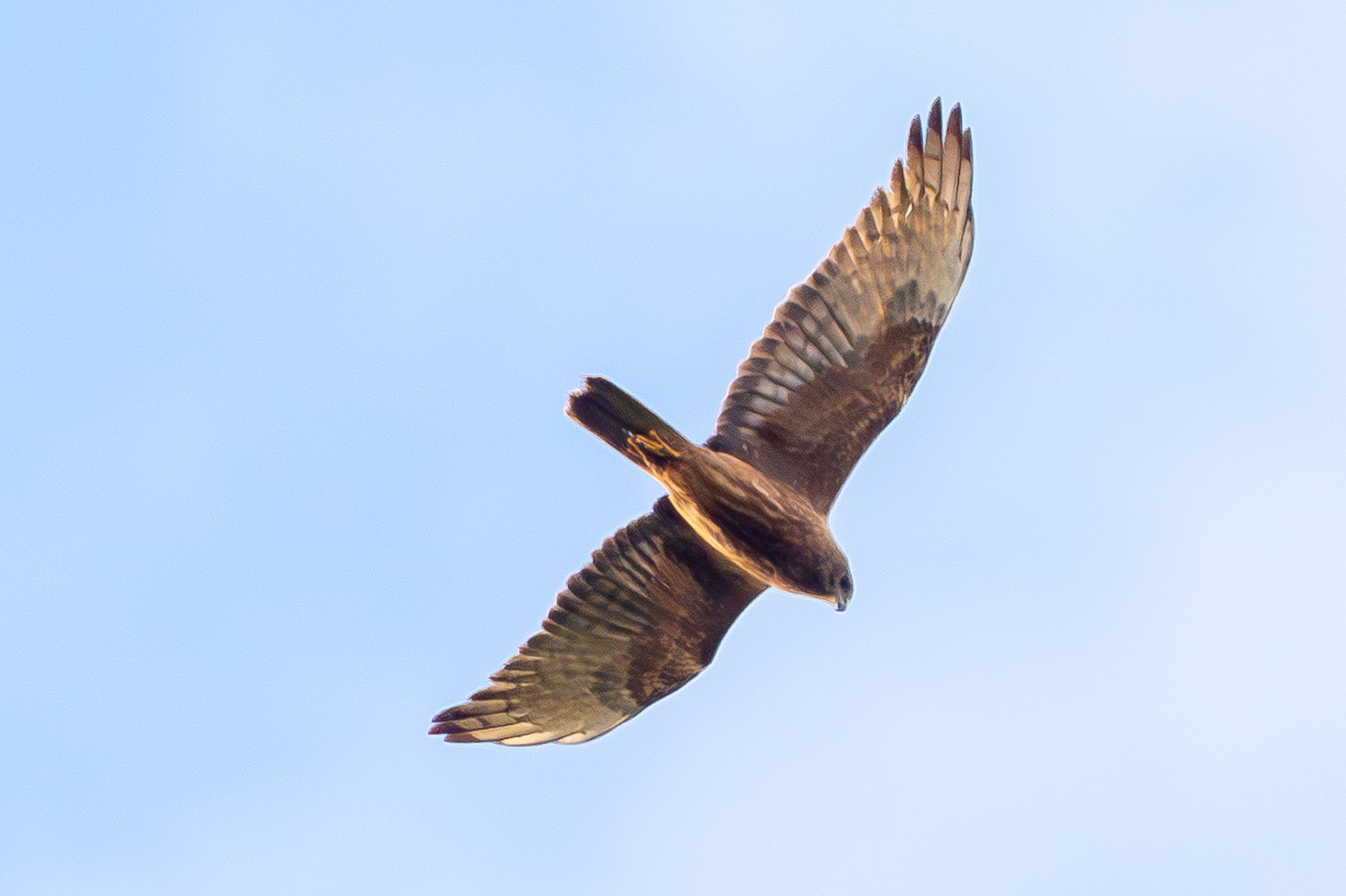
But it is home territory for a Swamp Harrier circling over E Cell.