
Australian Bird Families
Australia is home to over 700 species of birds. When you include Australia’s offshore islands and territories the number increases to around 900 species; of these about 350 are endemic (found only in Australia). The parrot and pigeon families may have originated in Australia and are well represented today. Also dominant are the songbirds that began their worldwide conquest in Australia and now make up half of the world’s 10,000 bird species. Families such as the honeyeaters proliferated to make use of the plentiful nectar from eucalypt and paperbark trees.
Self introduced birds to Australia include swallows and raptors. These have been joined by human introduction of starlings, sparrows, the Common Myna and other species. There are migratory shorebirds that breed in northern Asia and Alaska and arrive to feed over the Australian summer before returning. Offshore over 200 of the world’s 350 species of seabird can be seen in Australian waters.

Ducks
Ducks may be dabblers, filter-feeders or diving ducks. They are all birds of the wetlands with waterproof plumage, webbed feet and flattened bills.

Finches
Finches are small birds widely spread across Australia’s shrubby forests and grasslands. Finches have short, thick, pointed beaks suited for their primary diet of seeds.

Honeyeaters
Half of the world’s 187 honeyeaters are found in Australia, including the Australian chats, myzomelas, friarbirds, wattlebirds, and miners. Many have a brush-tipped tongue to collect nectar from flowers.

Parrots
Australia has two parrot familys; the “true parrots” family and the cockatoos. Parrots are large colourful birds with powerful bills for cracking seeds and nuts and also feed on fruit, nectar and sometimes insects.

Robins
The Petroicidae family is an Australasian family that includes Robins, Scrub-robins and Flycatchers. Robins are compact birds with short bills and feed on insects, sometimes supplemented with seeds.
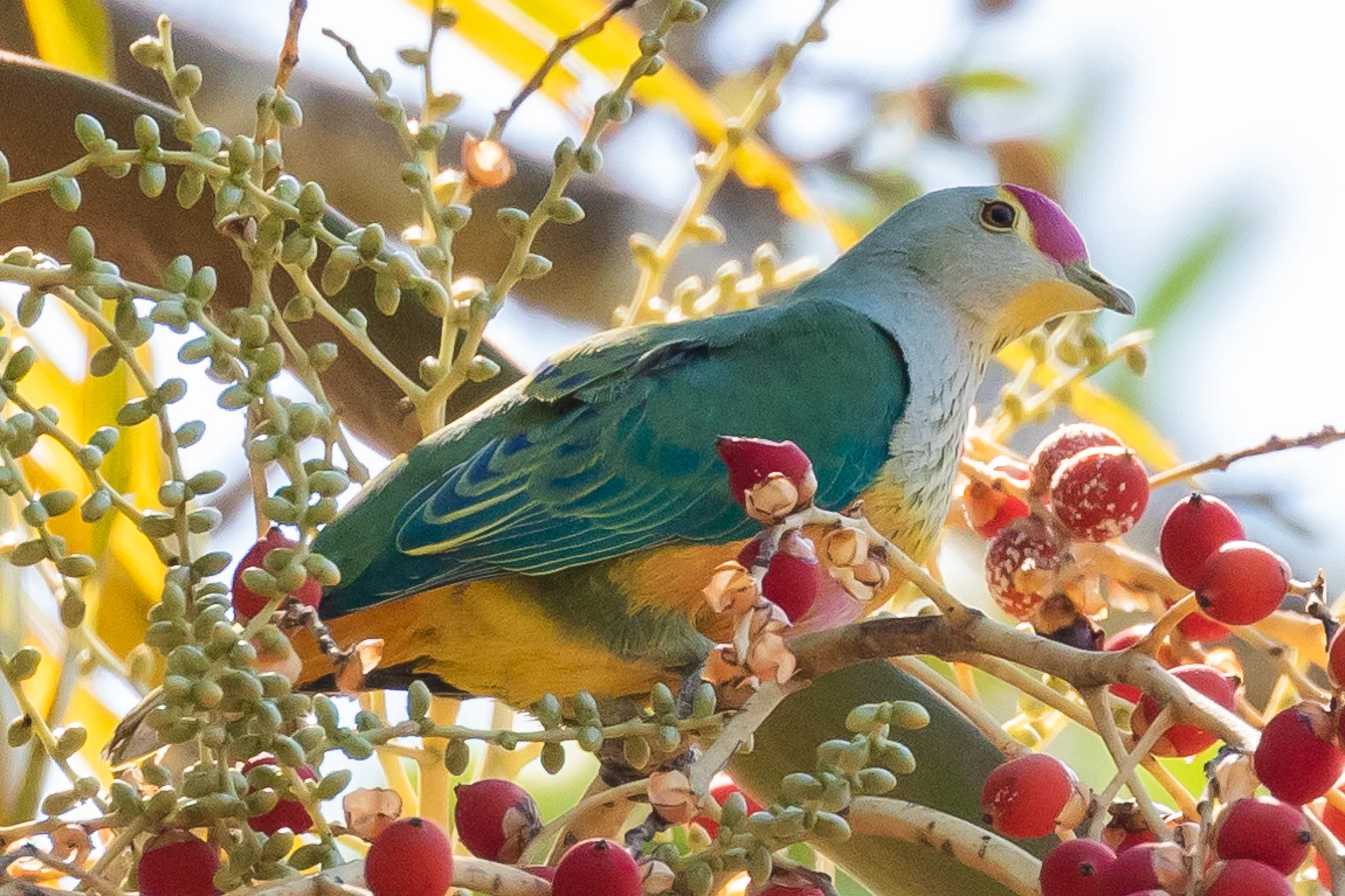
Pigeons
Australasia is the global centre of pigeon diversity and Australia has over 20 native species of the pigeon family, the Columbidae. Pigeons are stout-bodied birds with short necks, their short slender bills are suited to their diet of seeds, fruit, and plants.

Raptors (Birds of Prey)
There are 35 Australian Raptors. They include 18 members of the Accipitridae family (Hawks, Eagles), and 6 members of the Falconidae family. There are 11 owls, 6 are from the Tytonidae family and 5 from the Strigidae family (Hawk-owls).

Water Birds
Water Birds are found in coastal lagoons, rivers, lakes and wetlands and farm dams. They are a large and varied group of bird families and species. Some live exclusively in fresh water habitats and others brackish or sea water.
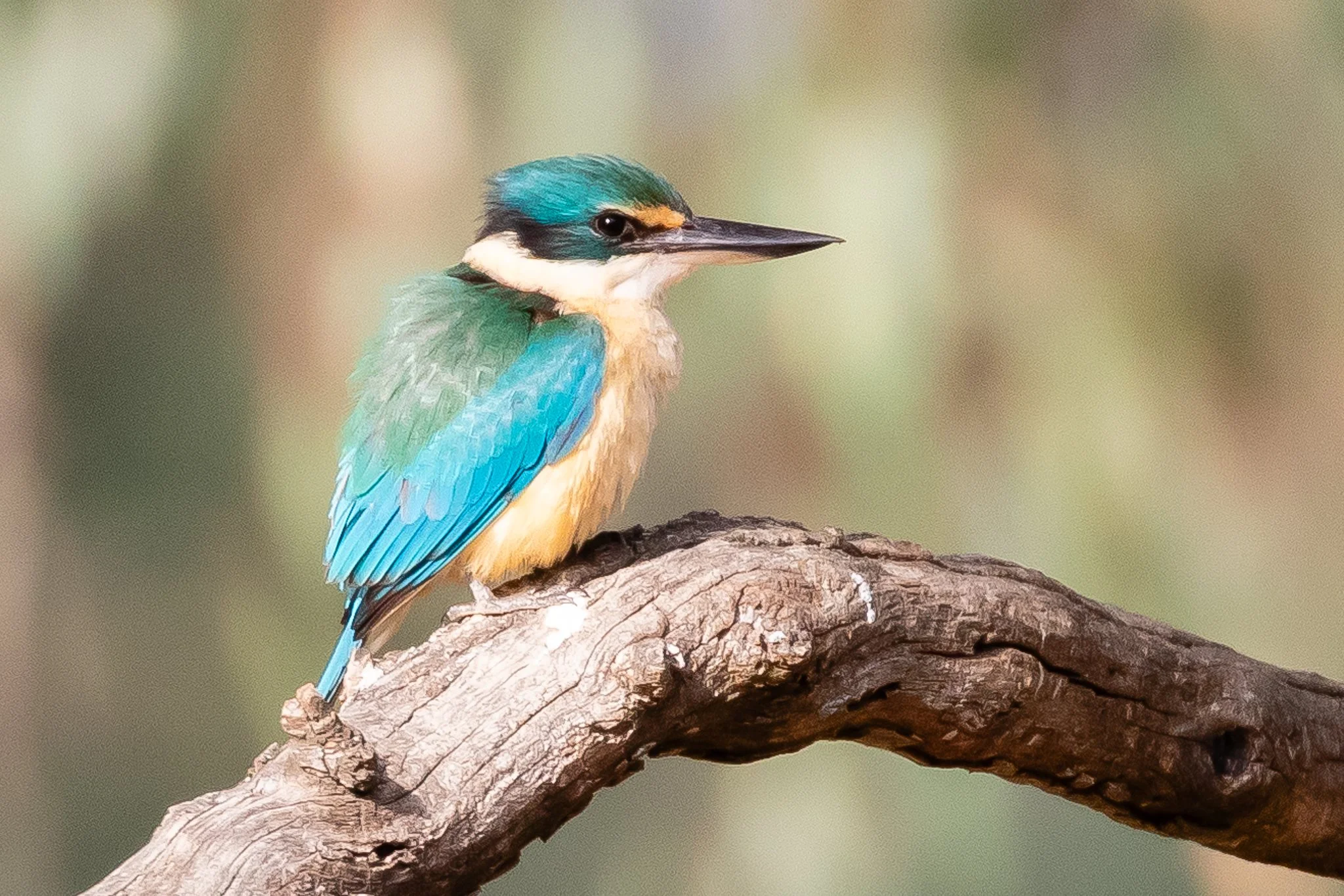
Kingfishers
Australia has 10 Kingfisher species, members of the Alcedinidae family. All have large heads, long pointed bills and are brightly coloured. Food ranges from fish, reptiles to small invertebrates.
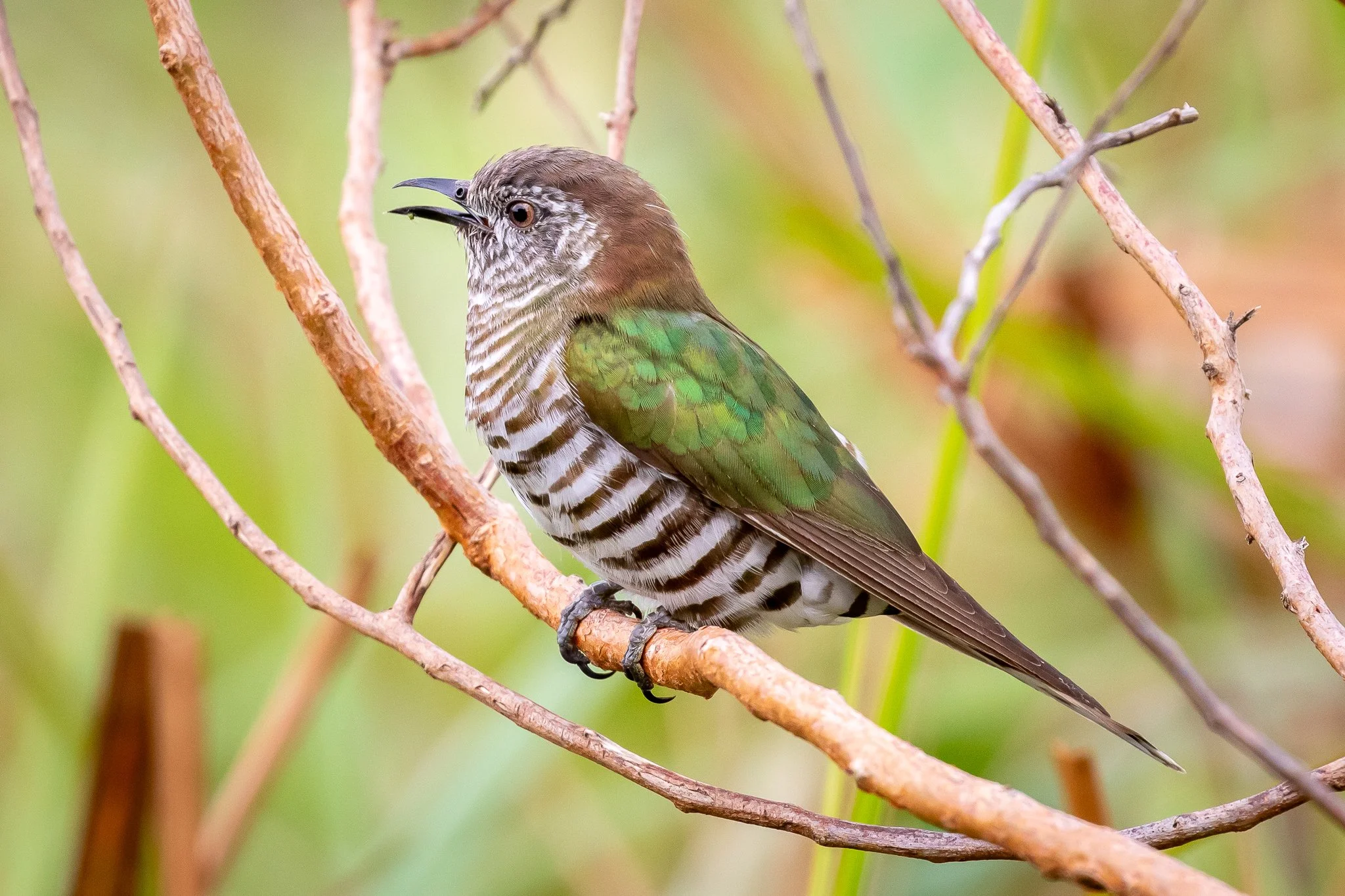
Cuckoos
There are 12 species of cuckoo in Australia, members of the Cuculidae family. All, except the Pheasant Coucal, are brood parasites, laying their eggs in the nests of other bird species, often evicting the eggs of the host.
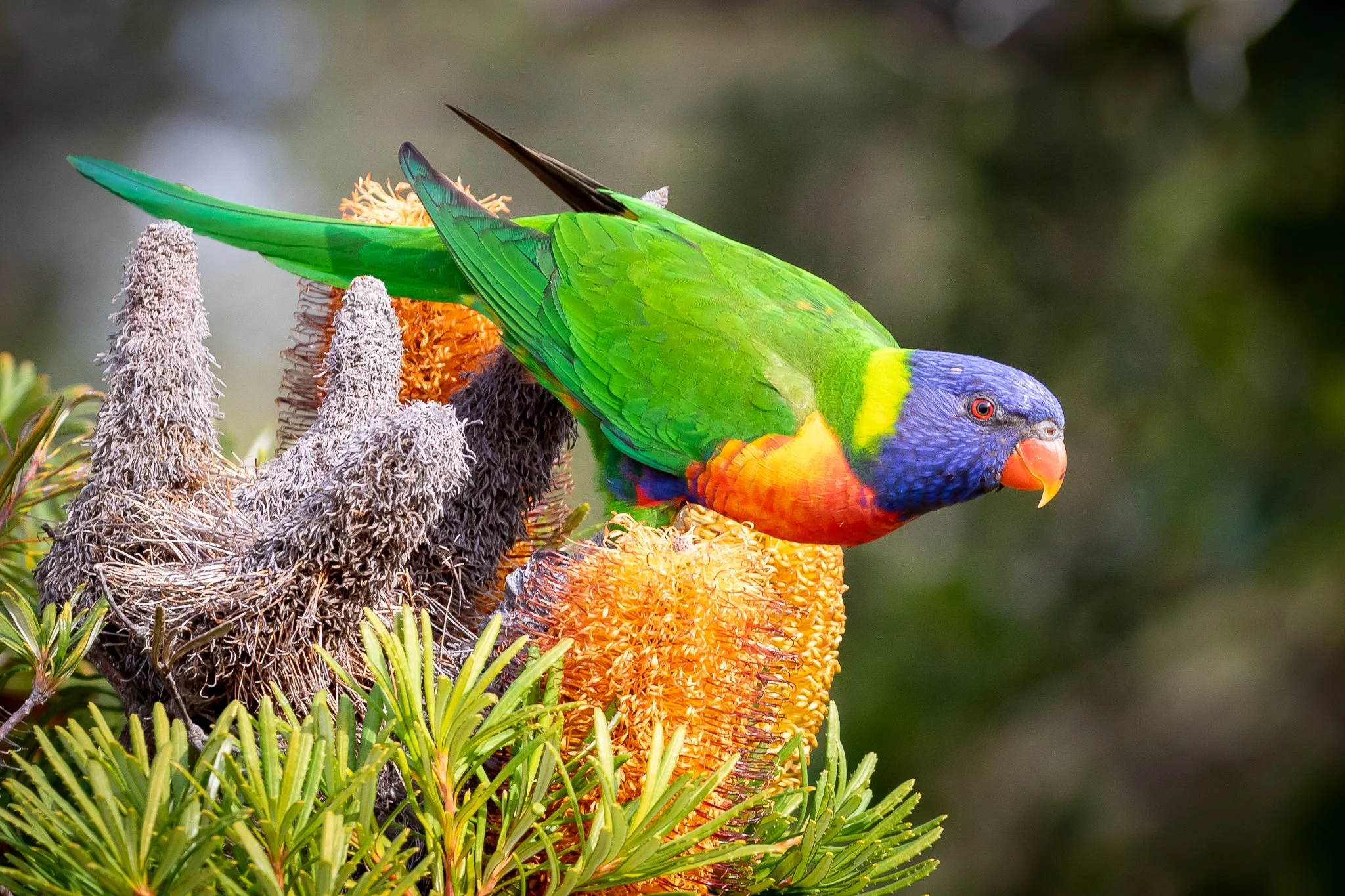
City Birds
In the City birds use ingenuity to make the most of the new environment, an important refuge as their original habitat disappears. Parks, trees and suburban gardens with shrubs are now important retreats for many birds.
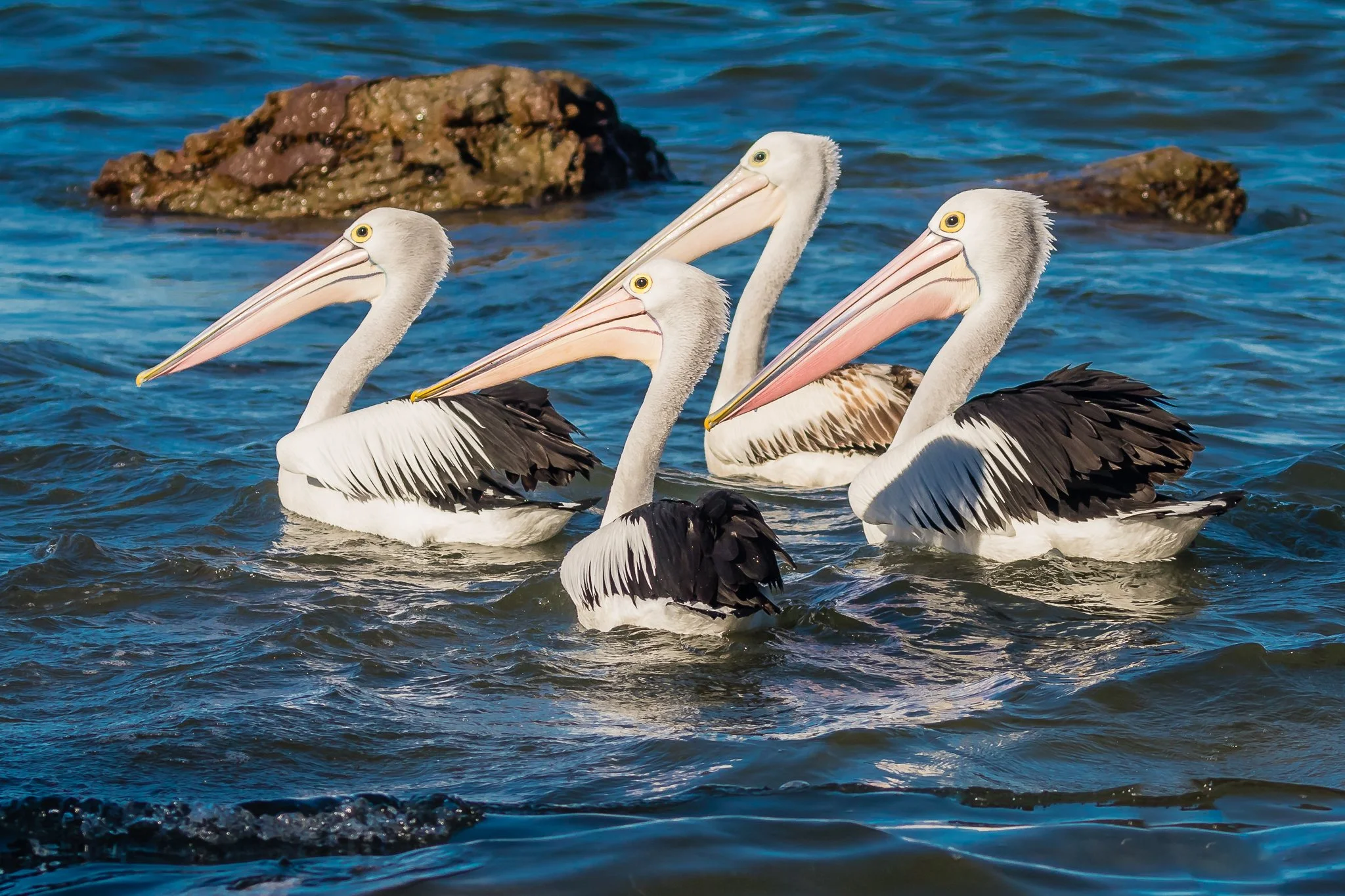
Beach Birds
At the Beach human development puts stress on the spaces shore birds have to live and breed. Their lives are threatened by people, dogs and vehicles. Migrant birds that make the journey from the northern hemisphere each year are endangered by development of wetlands and beaches.
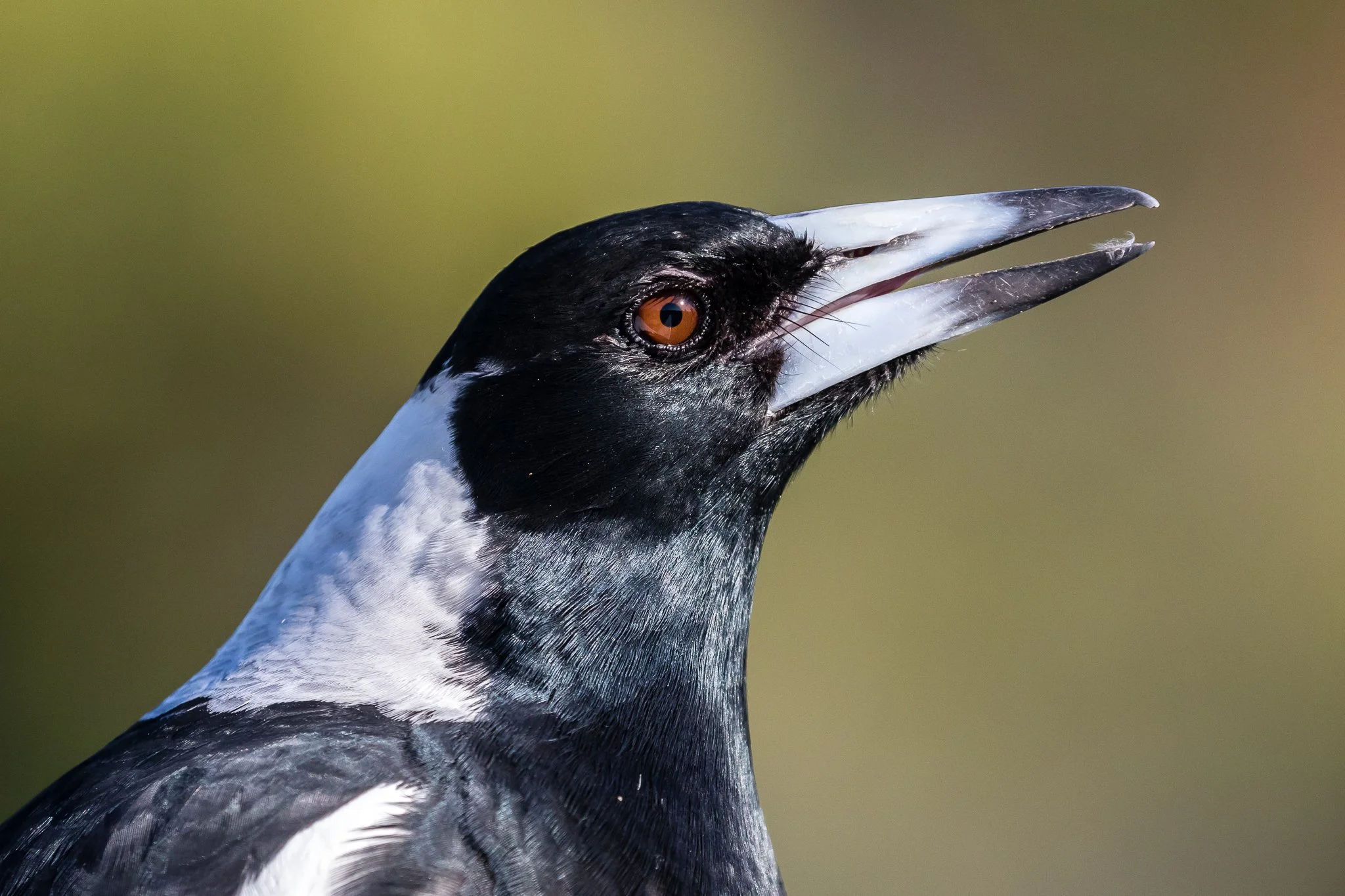
Bush Birds
The Australian “bush” consists of large deserts, arid scrub, open woodlands and rainforests that range from alpine to temperate to tropical. Land clearing and habitat loss has reduced bird numbers in the woodlands, especially the spread of small birds.
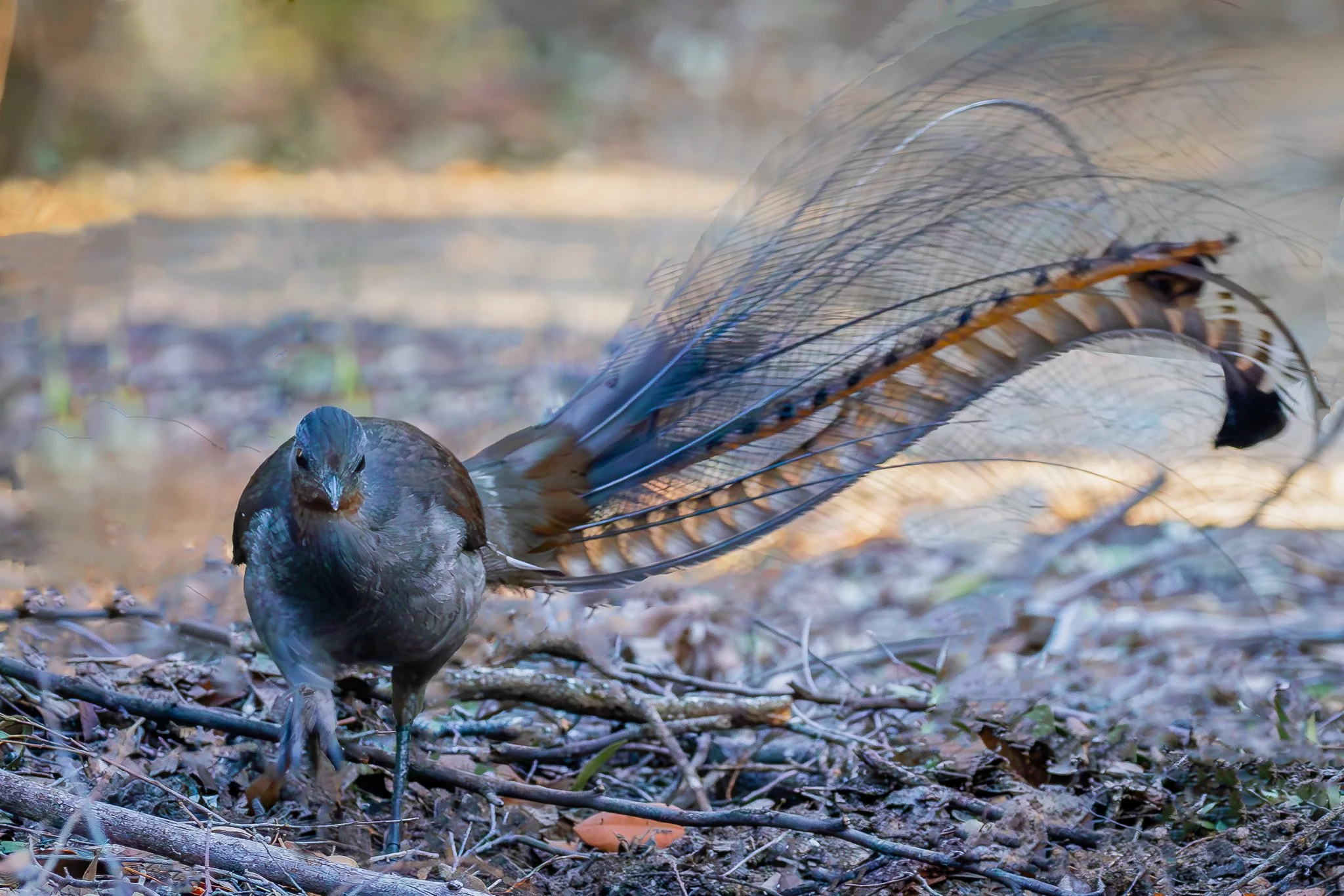
Rainforest Birds
One hundred and eighty million years ago, Australia was covered by a rainforest of conifers, cycads and ferns. As the climate warmed, eucalypts became dominant. Today, rainforest covers less than one percent of the continent; of high importance for its biodiversity.
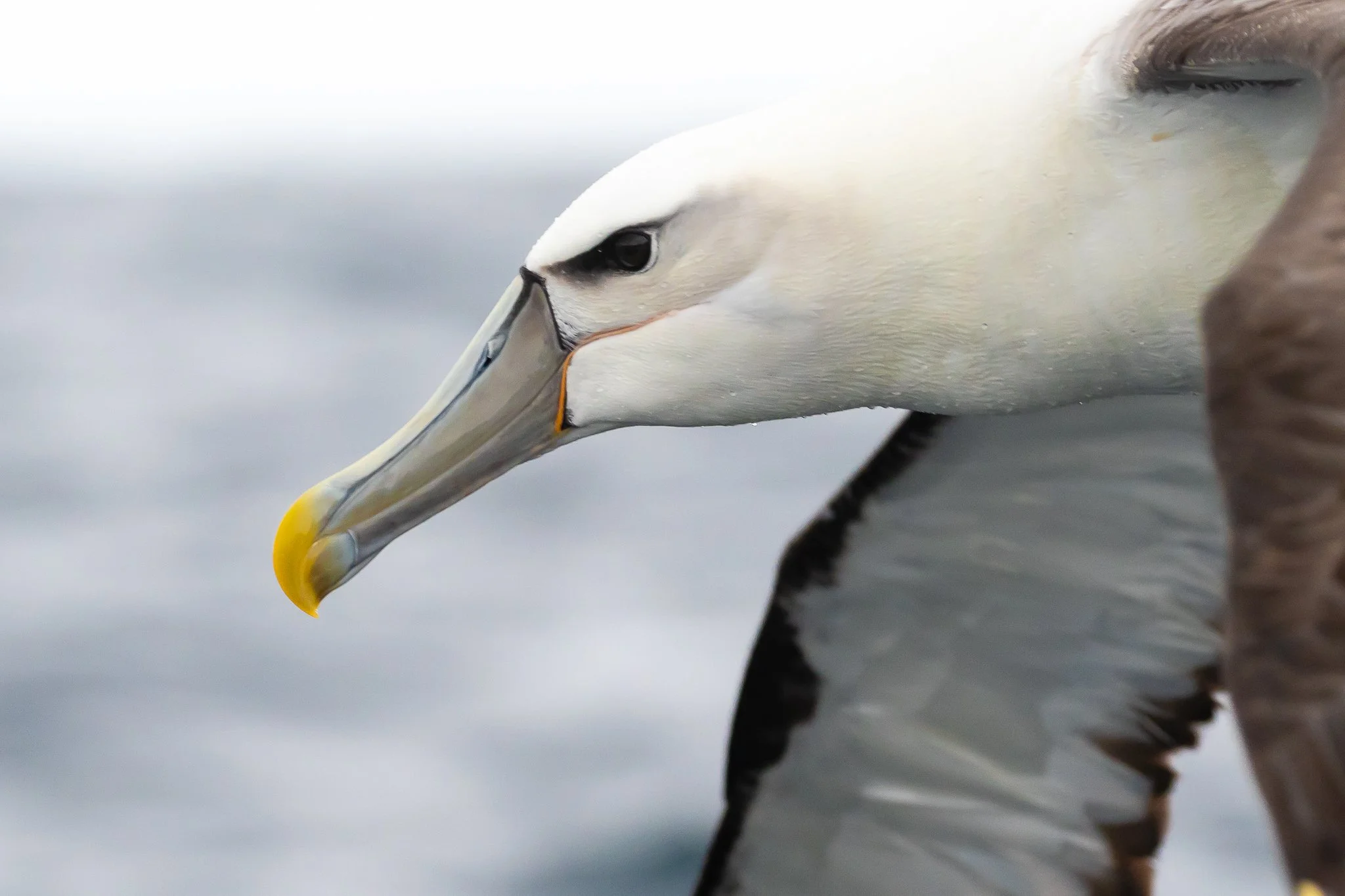
Pelagic Birds
Over 200 of the world’s 350 species of seabird are seen in Australian waters. Pelagic launch trips to the continental shelf are a good way to see these birds. From land you may find good viewing places for seabirds, especially during southerly storms.