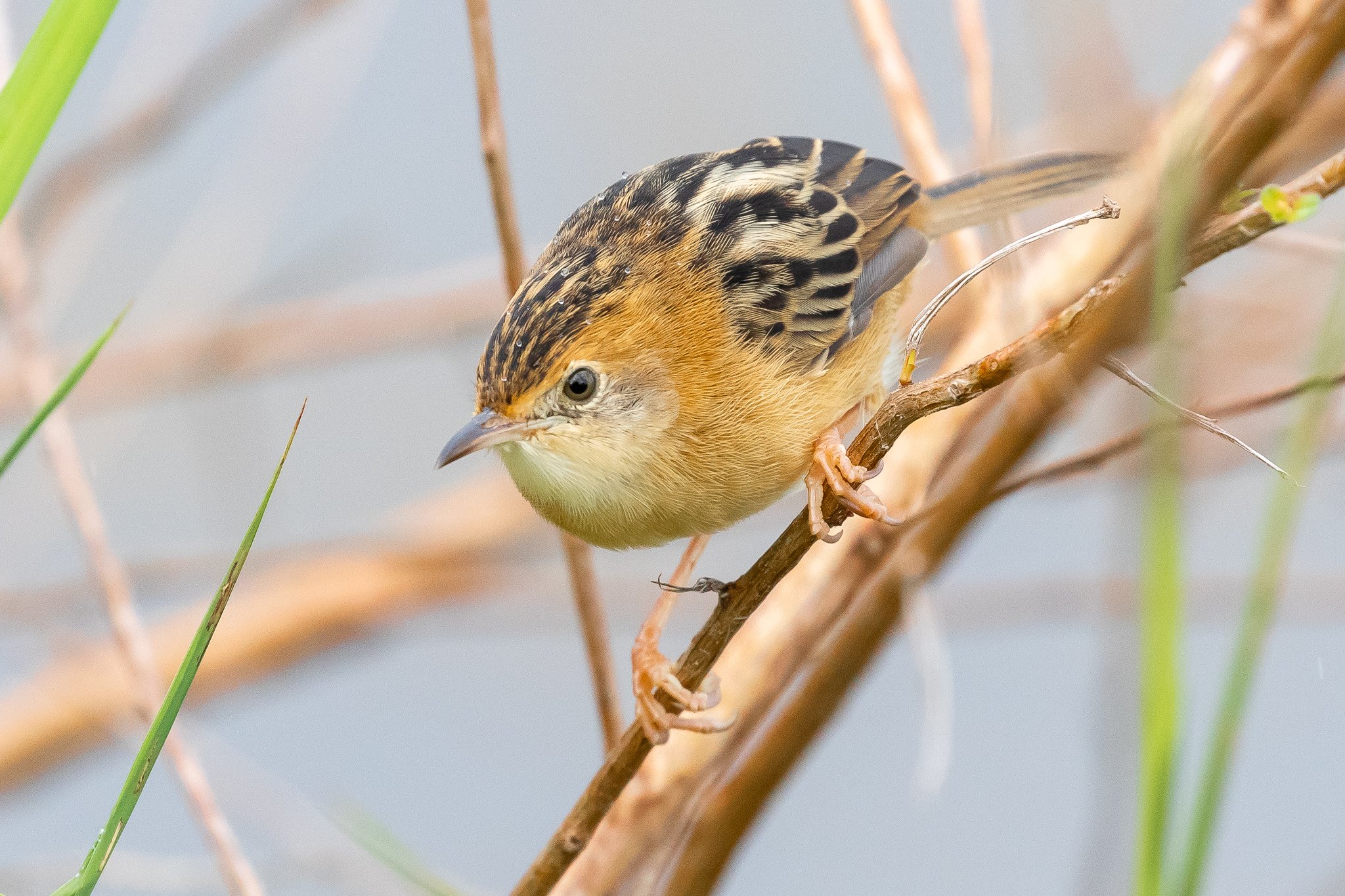
Summer arrives at Byron Bay Wetlands. Out in the bay the East Australian Current is running close to the coastline and because it is two to three degrees Celsius warmer than normal, this adds to the intensity of rain and persistent thunderstorms.
At the wetlands weeds have overgrown large areas of free water; this has happened at an incredible pace. Salvinia has covered H cell, normally the largest area of water, with a thick blanket of weed. Frogbit has taken over in parts of the melaleuca swamps. Bare mudflat has all but disappeared, reducing the desirability for water birds and shore birds, sightings are very low. However numbers of woodland and forest birds on the site are holding up, with last weeks survey counting 72 species in total on the morning. (A map of the wetlands can be seen at the Byron Bird Buddies website.)
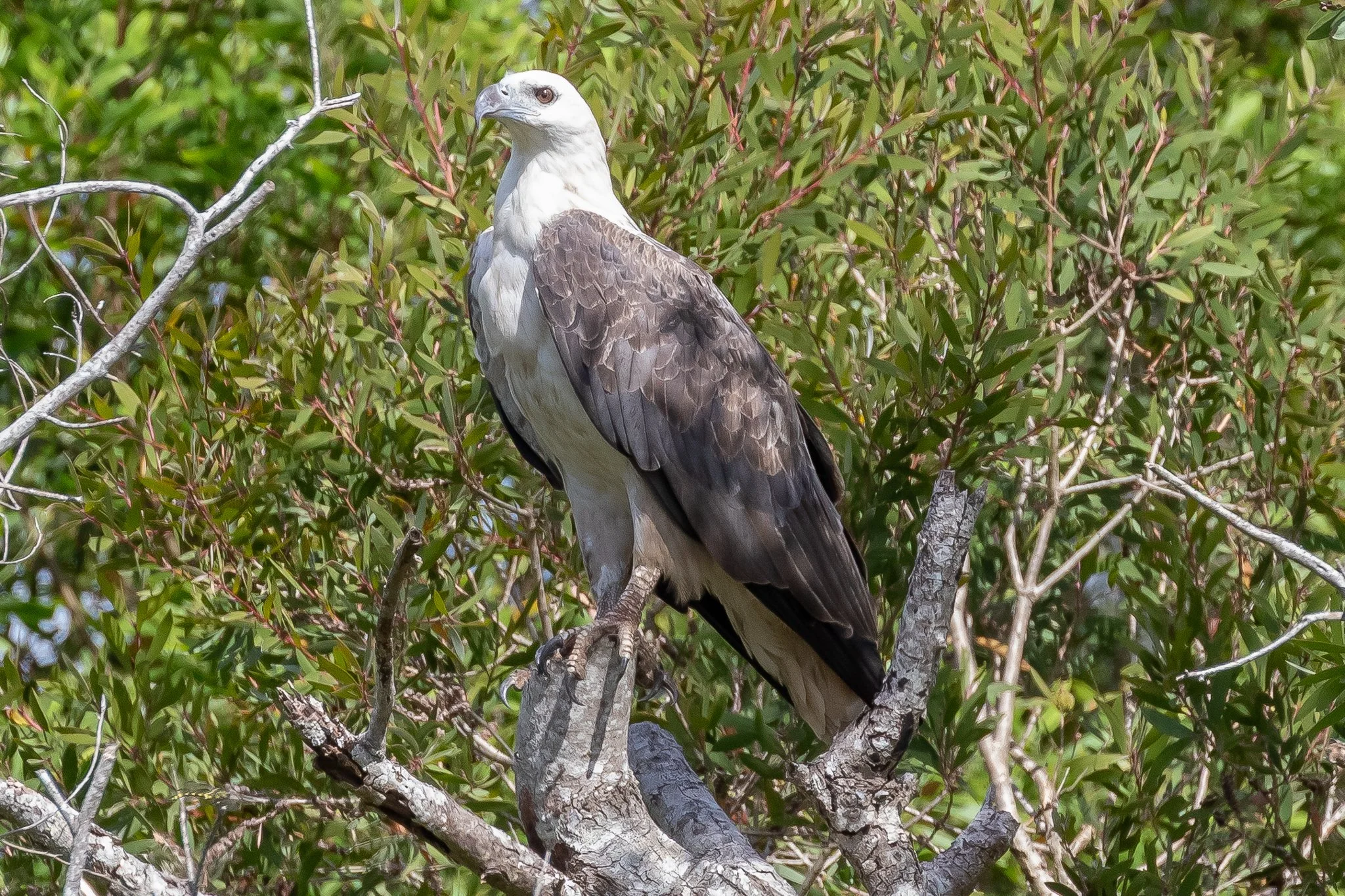
This White-bellied Sea-Eagle regularly scows the wetlands creating havoc amongst the inhabitants. Here it is watching from a perch in the rainforest section adjacent to H cell.
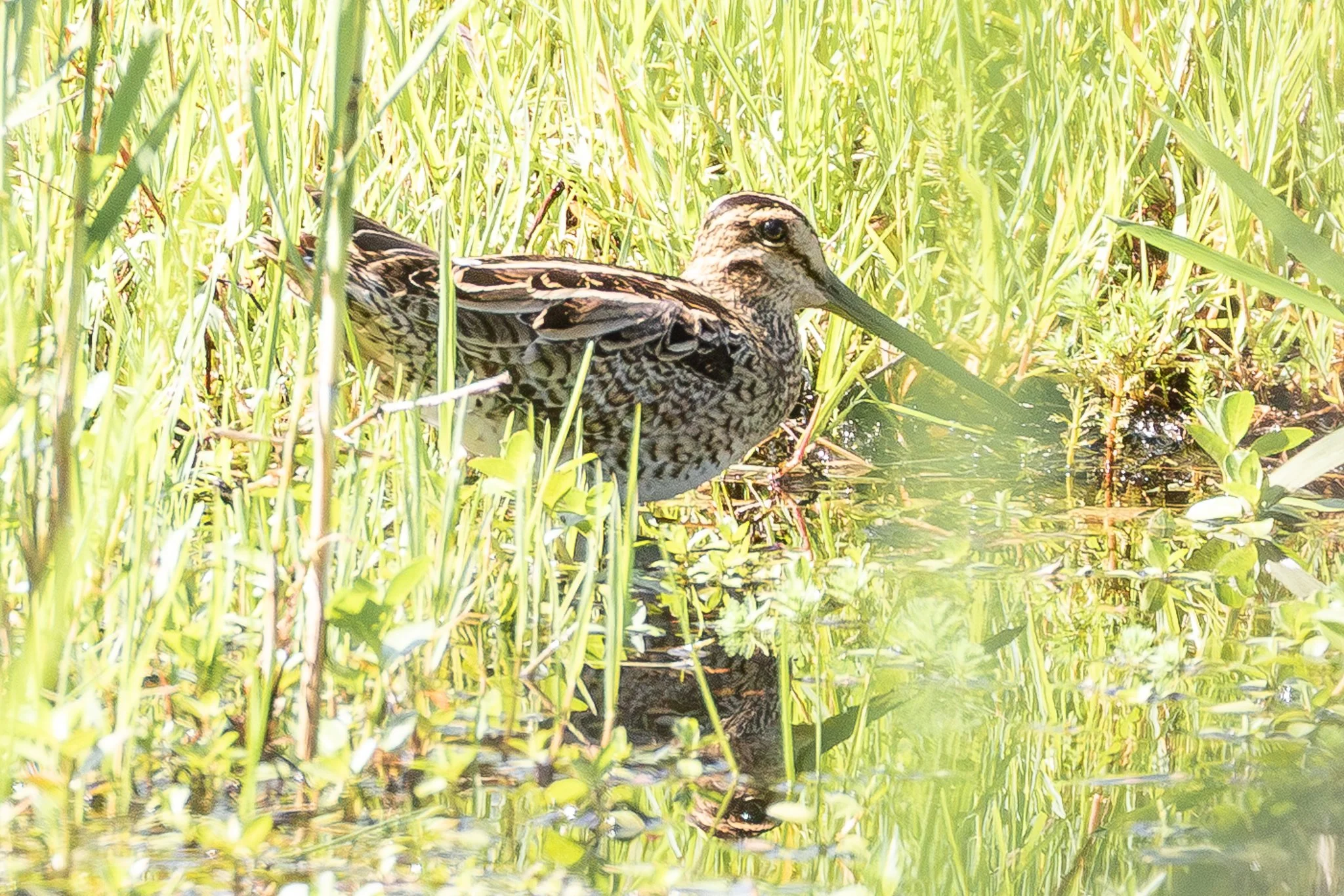
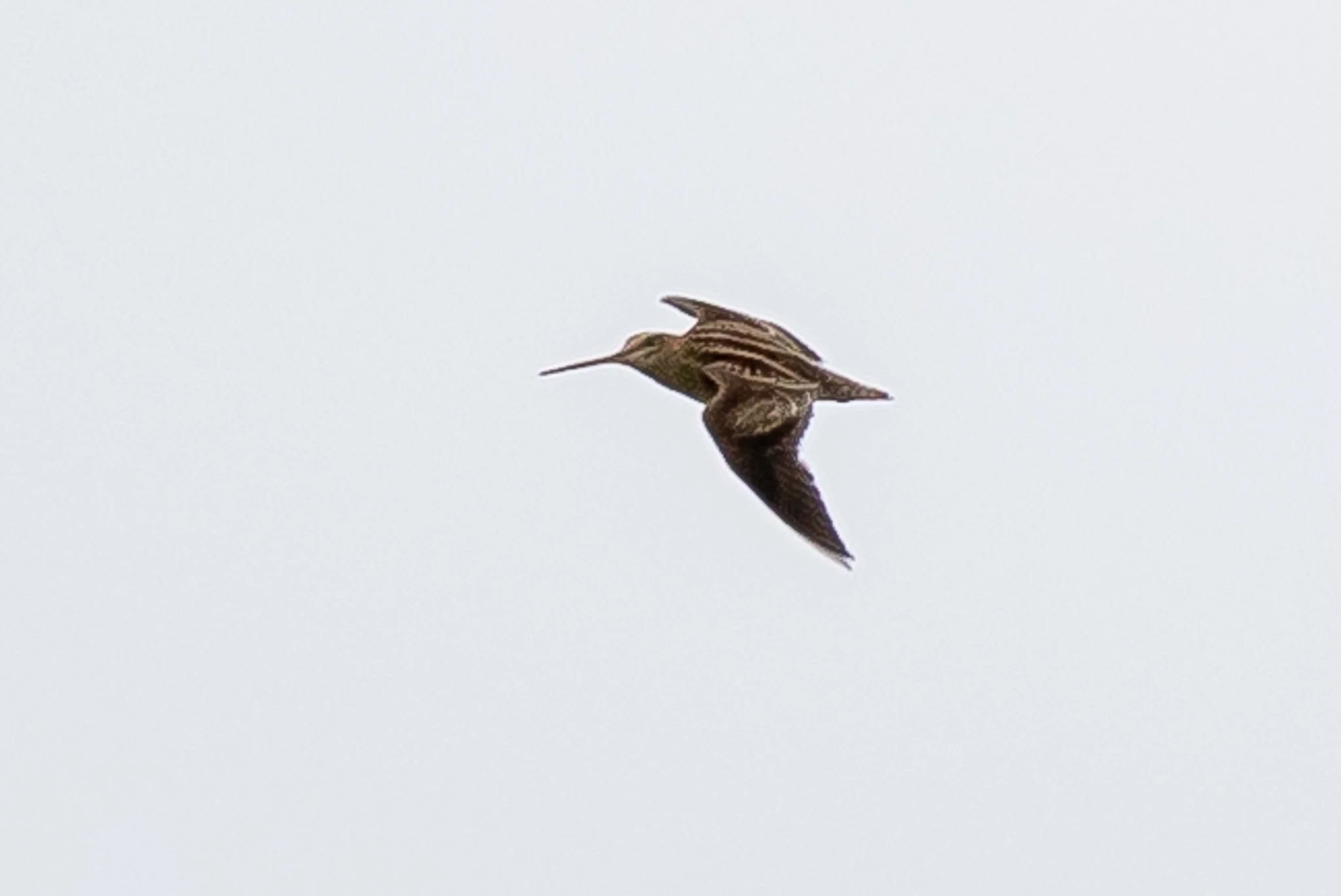
We counted 12 Latham’s Snipe in the wetland during the national Snipe survey in November and at last week’s survey the count was still10 birds, 9 of them in the reedy end of E Cell and one in H Cell.
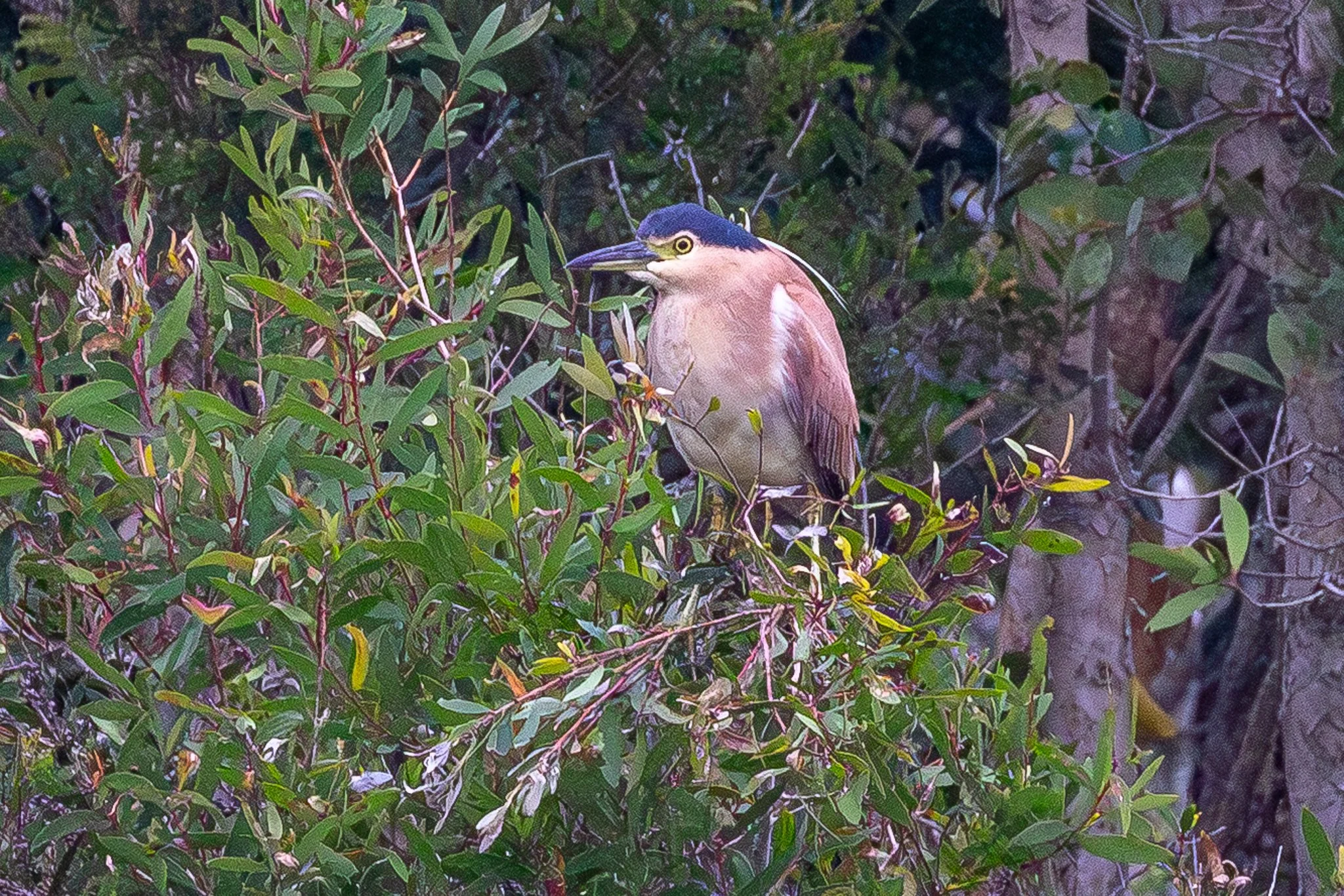
Seven Nankeen Night Herons graced the wetlands last year. So it was exciting to count seven again this week, including one immature bird. After flushing from the pond the Nankeen Night-Heron shown retreated to the line of trees behind E Cell.
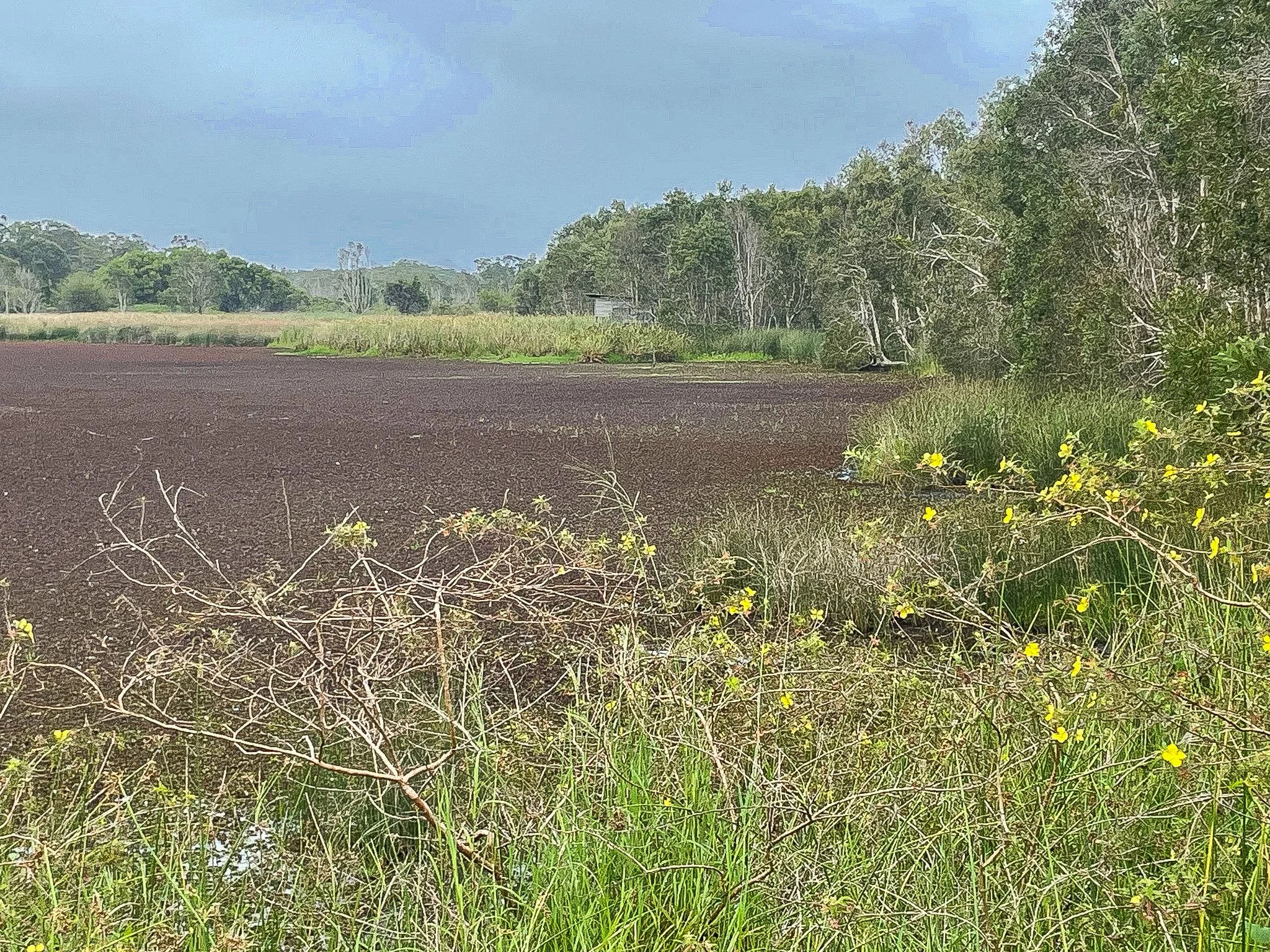
Salvinia molesta is a Brazilian water fern introduced to enhance goldfish bowls and now a scourge for Australian waterways. The photo shows the brown weed completely covering what is normally the largest area of open water, H Cell, a feat it achieved in a few weeks. The infestation is being treated with a weevil but progress has been slow. Frogbit has covered areas within the Melaleuca swamps and these are currently being sprayed.
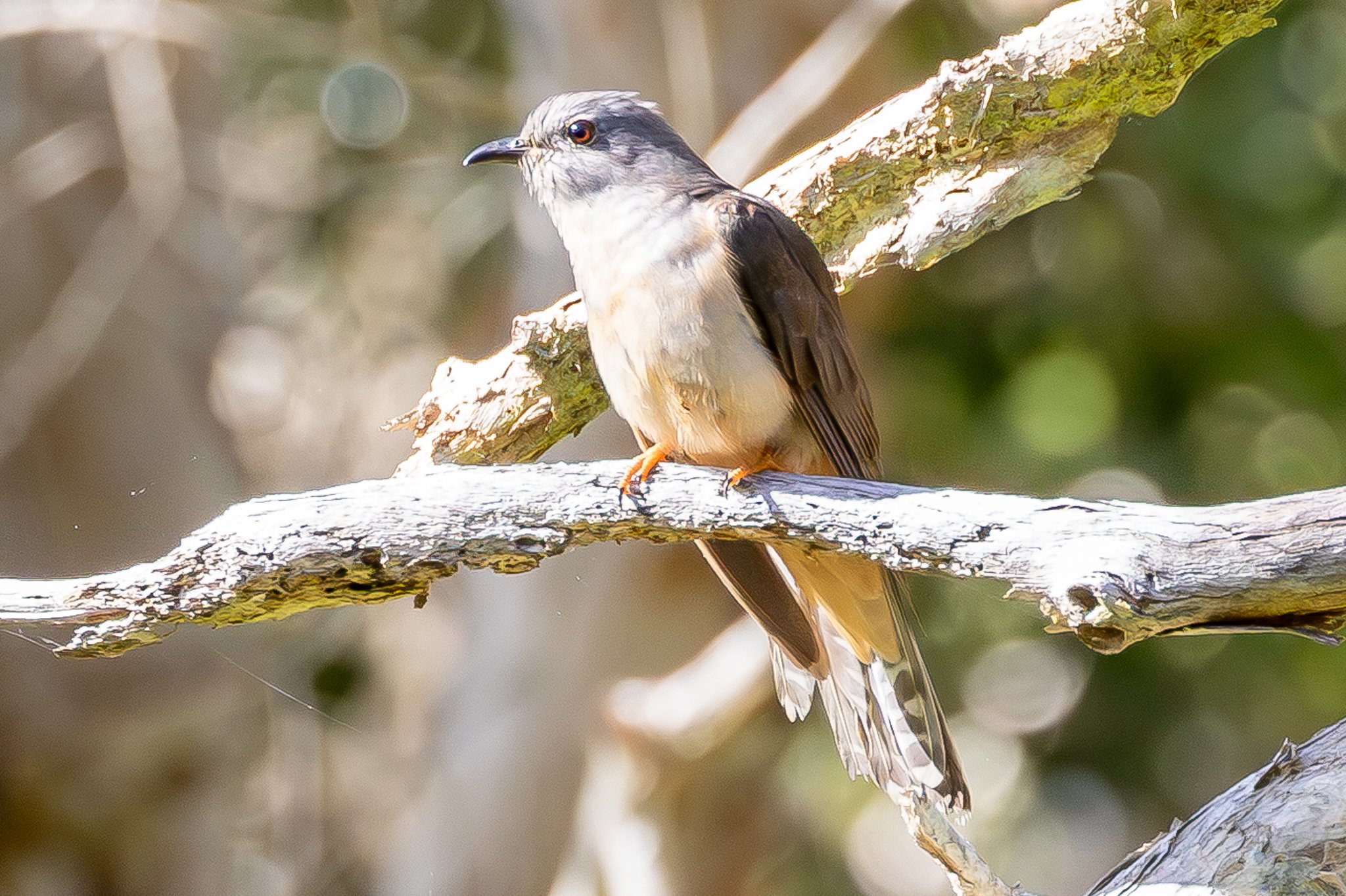
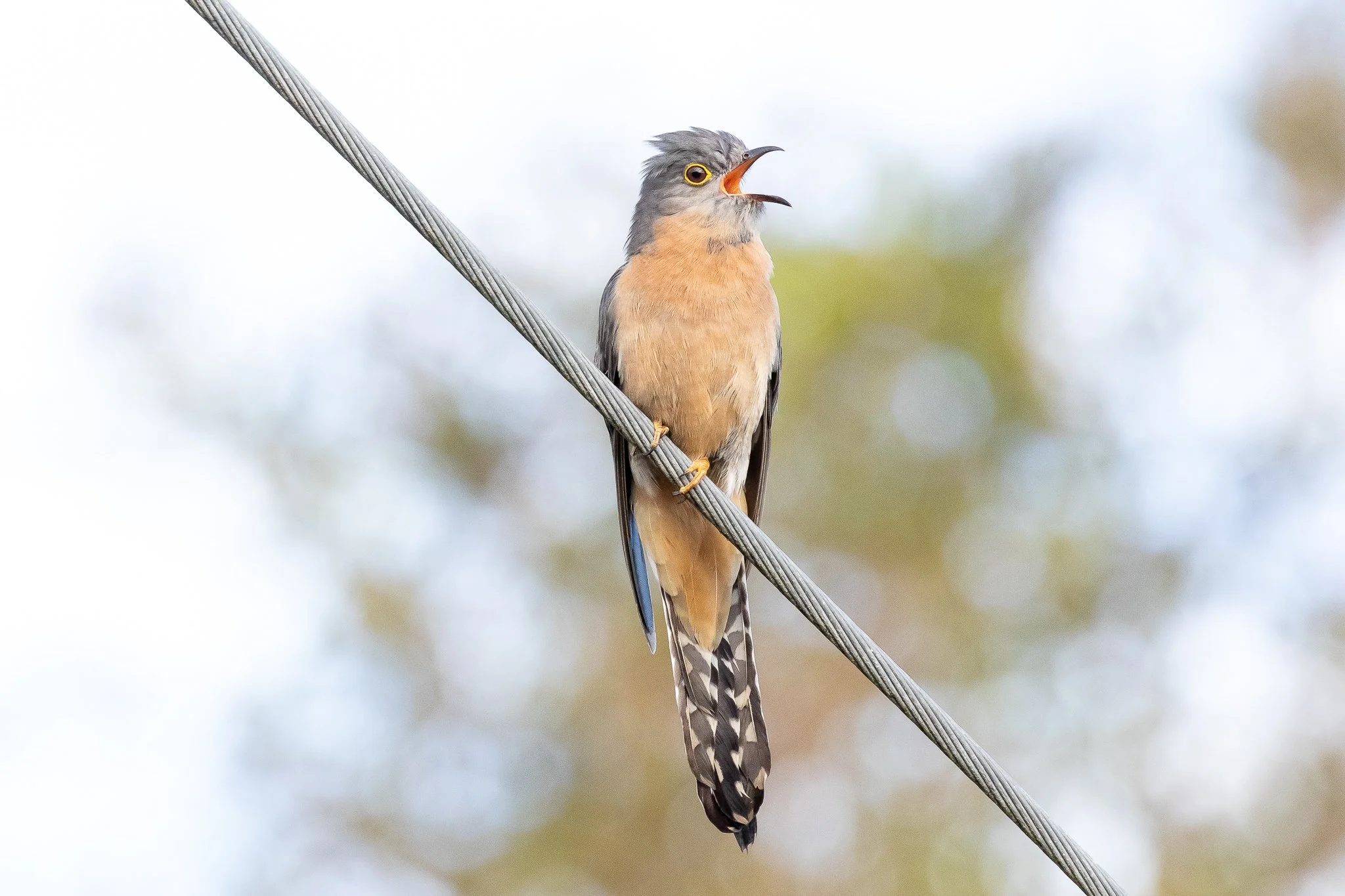
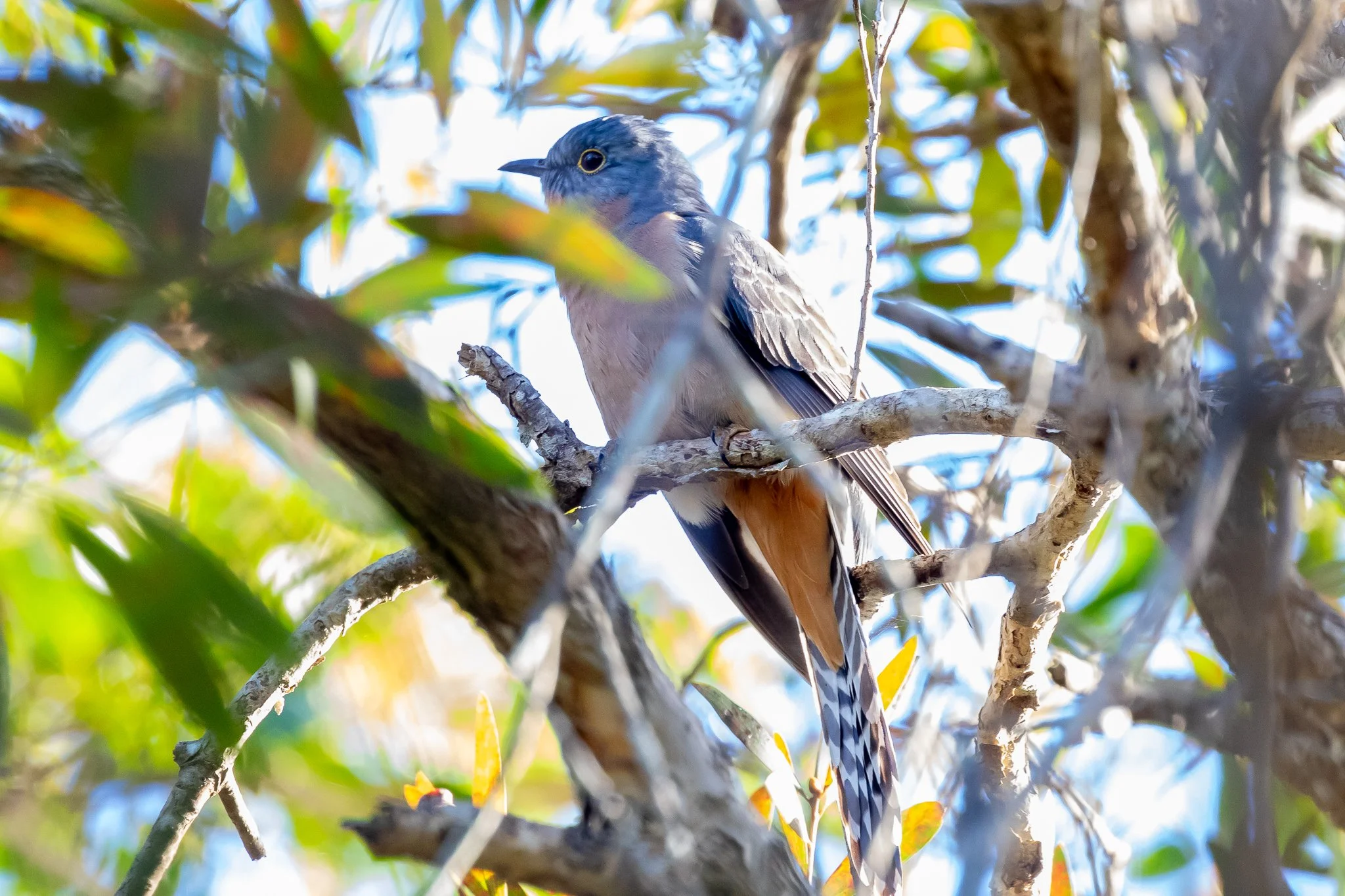
There have been a lot of Brush Cuckoos calling across the wetlands.
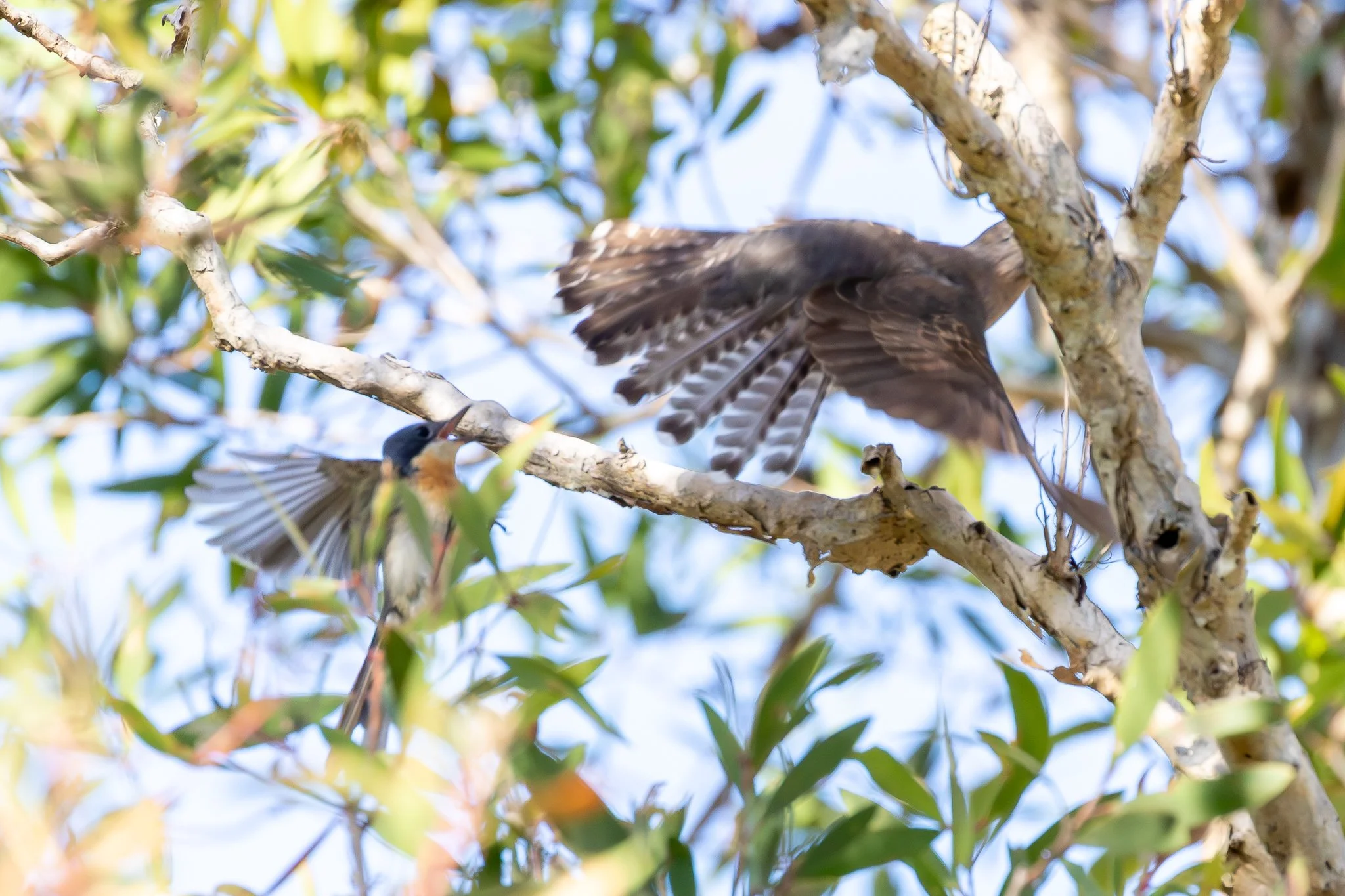
But they are not always welcome, as this Leaden Flycatcher sends the intruder on its way.
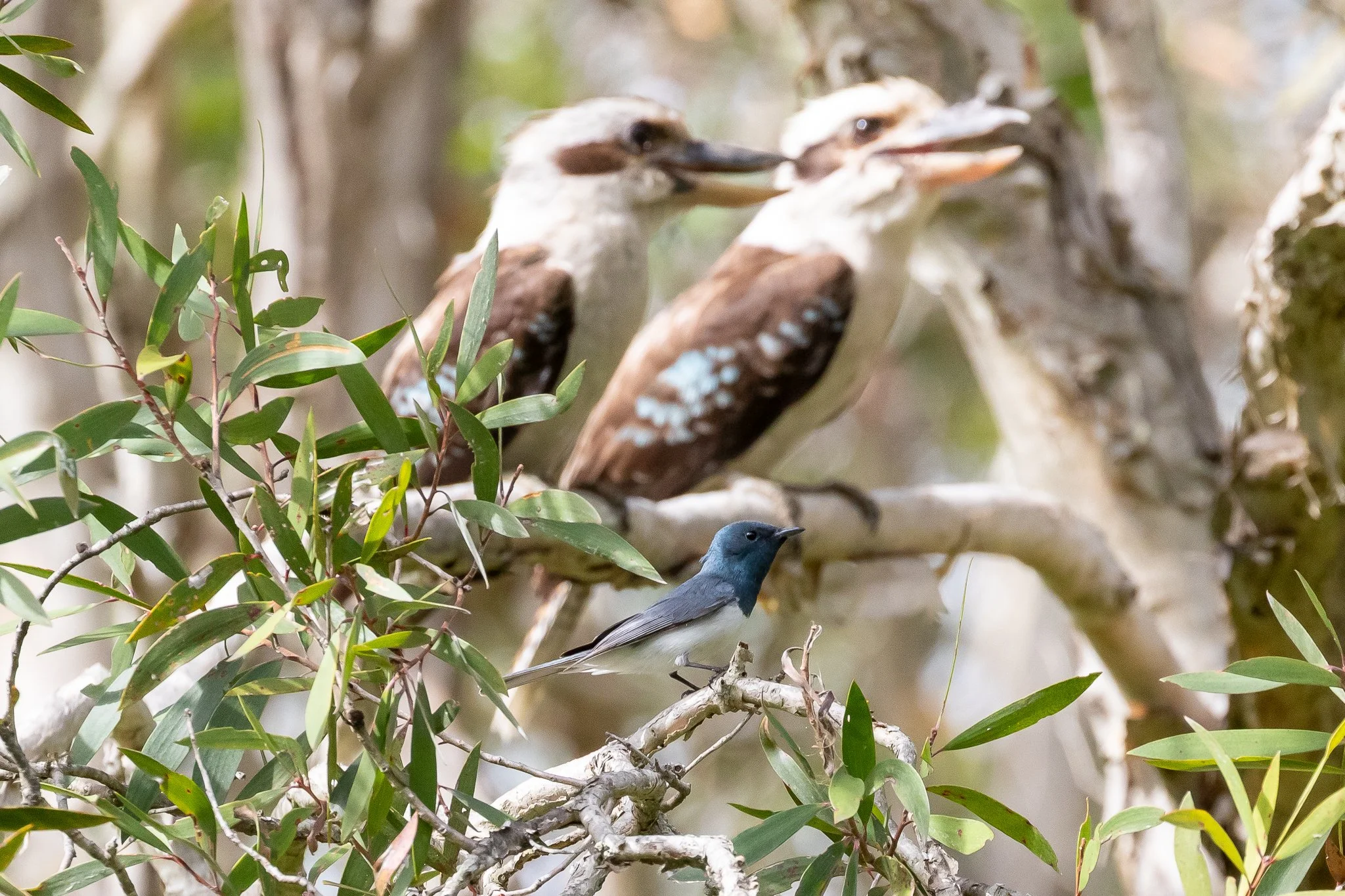
Laughing Kookaburras are getting the same treatment. There were at least three pairs of Leaden Flycatchers in breeding mode within the melaleuca swamps.
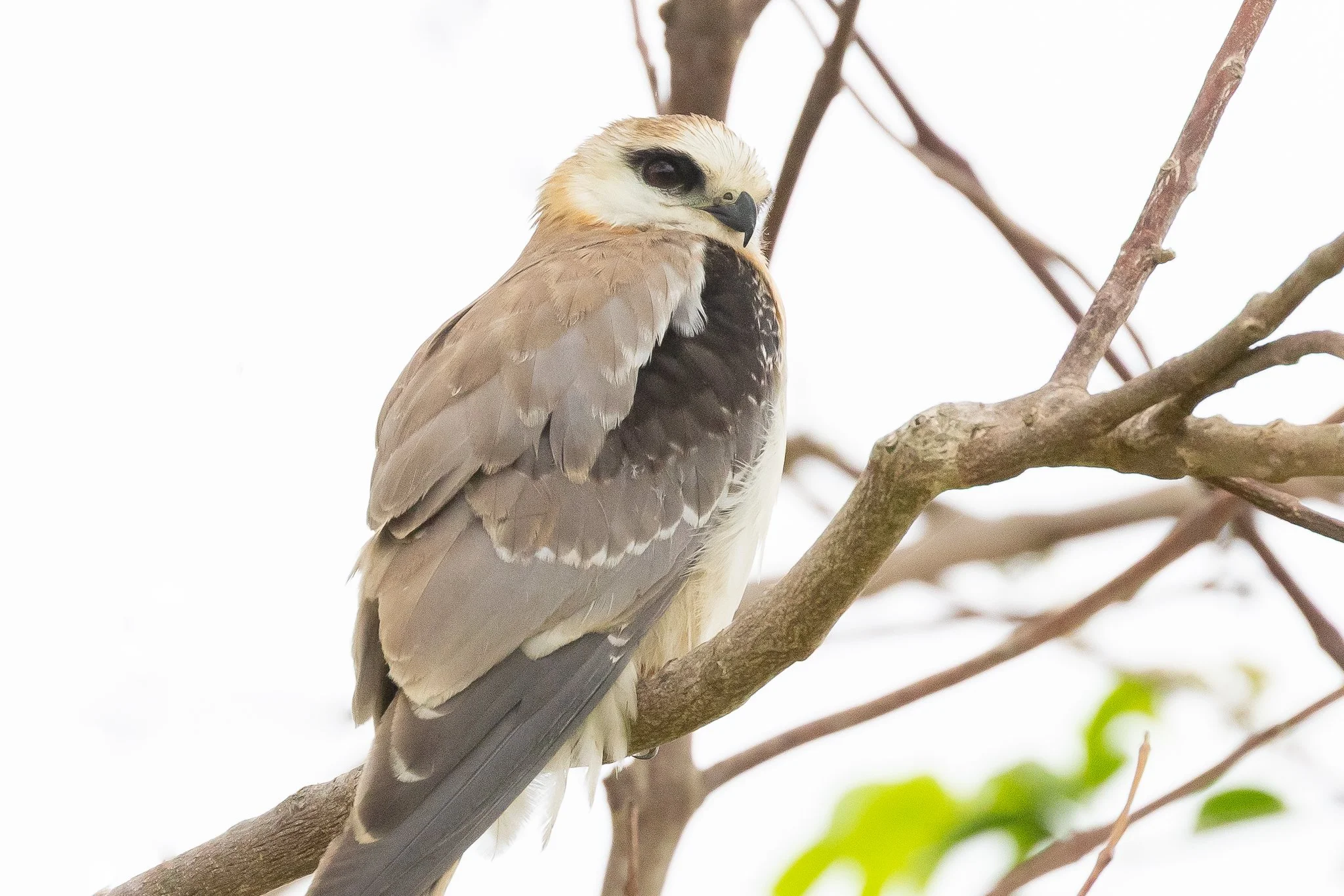
This Black-shouldered Kite was very possessive about its perch overlooking E Cell, seeing off a second Kite who tried to muscle in.
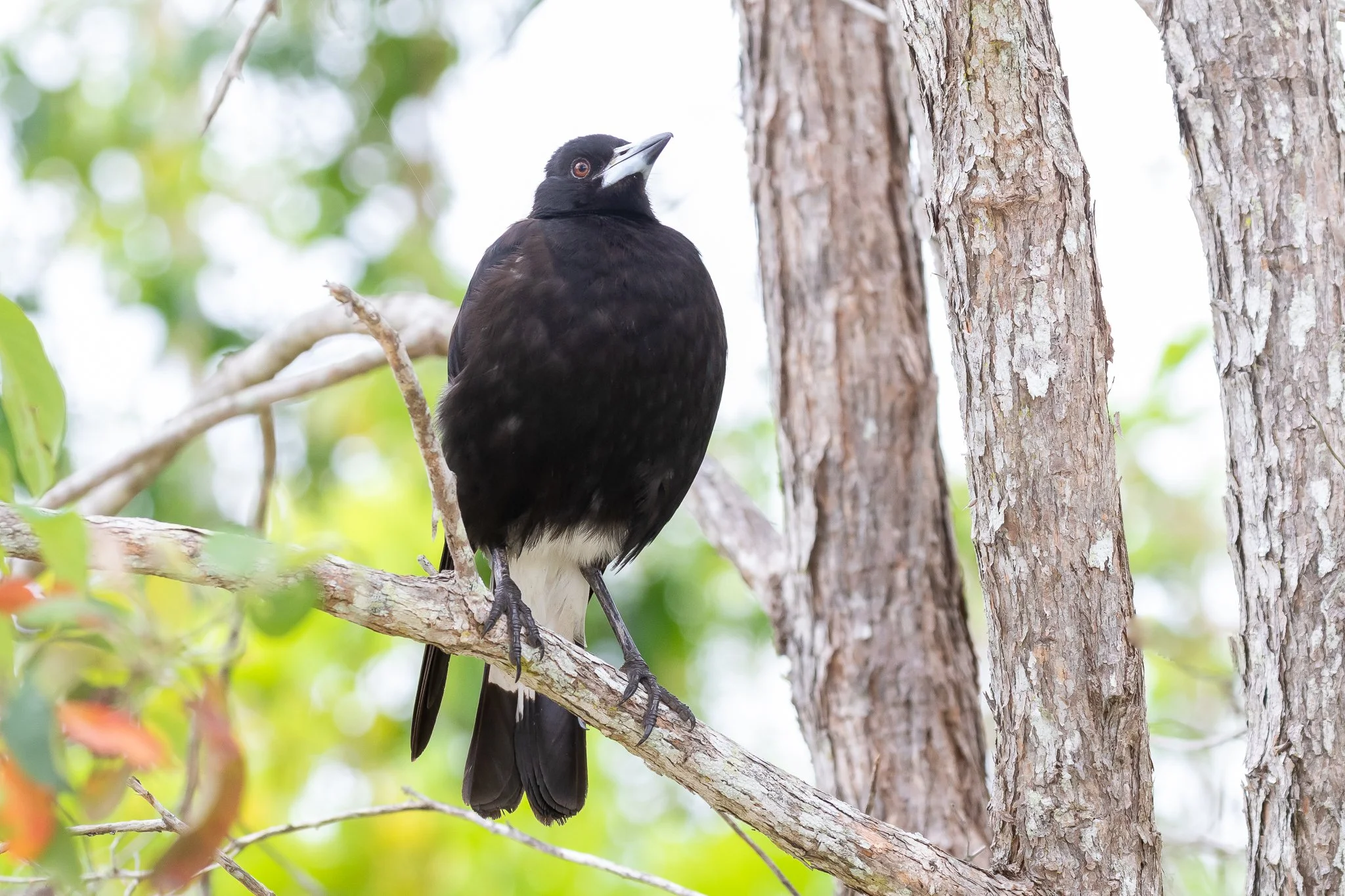
A young Australian Magpie making a lot of noise.
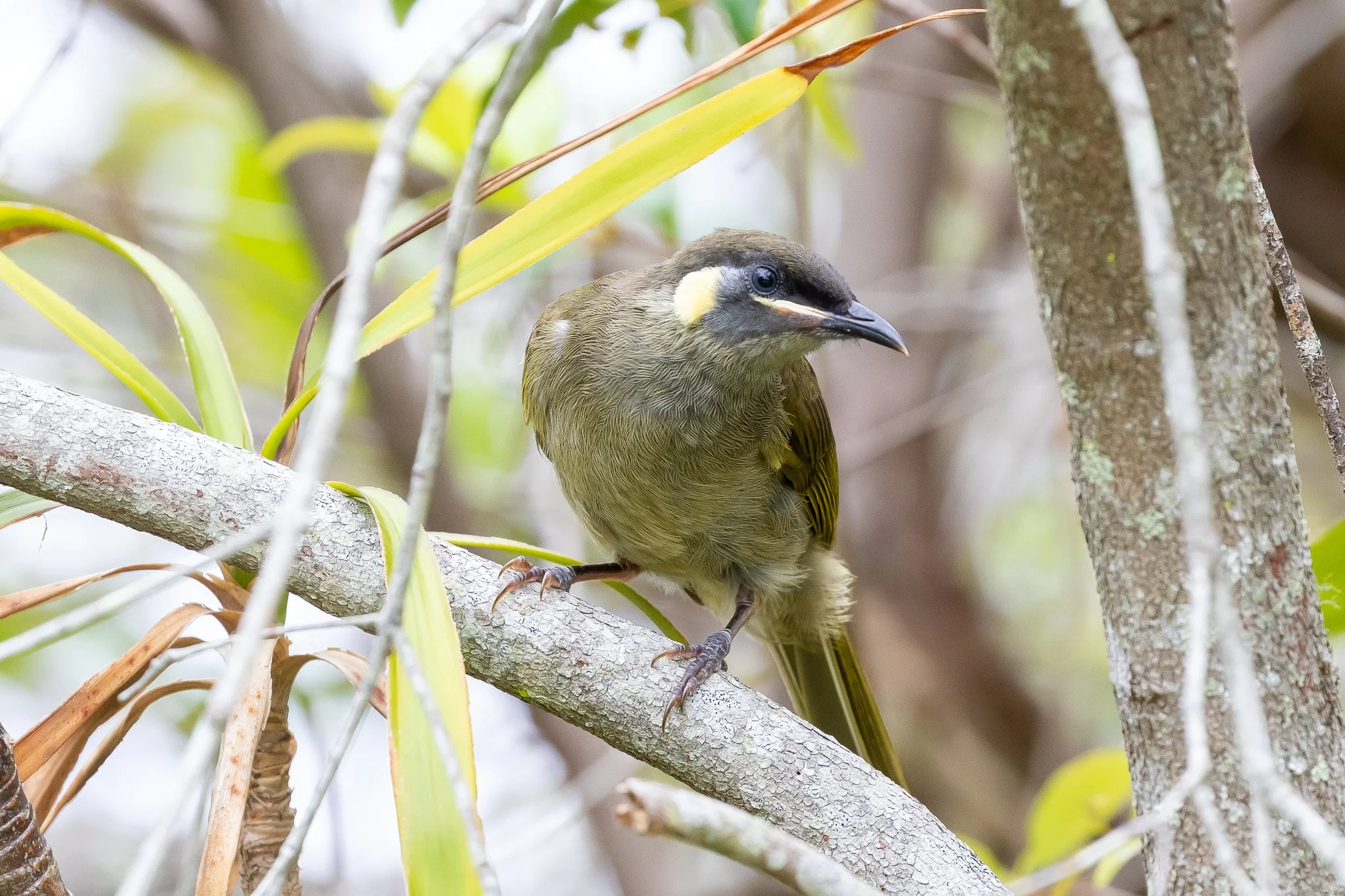
One of the many Lewin’s Honeyeaters that inhabit the wetlands, feeding in the carpark.